Wondering whether a brand-new home or an older resale property makes more sense in Bothell? You are not alone. This is one of the biggest decisions buyers face here, especially in a city that includes both established single-family areas and newer growth-focused development. In this guide, you will get a clear, local look at how new construction and resale homes differ in Bothell so you can weigh layout, timeline, condition, and long-term tradeoffs with more confidence. Let’s dive in.
Bothell housing options look different by area
Bothell’s housing stock is still shaped largely by low-density residential development. The city reports that about 52% of homes are single-family, about 34% are apartments or other multifamily buildings with five or more units, and 9% are manufactured homes. That matters because the type of home you are shopping for often connects directly to where in Bothell you are looking.
New construction tends to be more closely tied to Bothell’s growth centers and subareas. Canyon Park is identified as a Regional Growth Center near I-405 and SR-522, the Downtown Subarea Plan focuses on future buildings and public space, and the North Creek / NE 195th subarea plan supports housing near jobs, retail, and transit service. In practical terms, that means newer homes are often concentrated in places where the city is planning for more growth.
Resale homes are more commonly associated with Bothell’s older residential areas. The city’s land-use history has been largely single-family in character, so existing inventory often reflects earlier subdivision patterns and more traditional neighborhood layouts. If you want an established setting, resale is often where your search begins.
What new construction means in Bothell
In Bothell, new construction does not just mean a detached house on a large lot. Current city permit and planning documents show a wider mix that includes detached condominiums, townhomes, duplexes, triplexes, fourplexes, and single-family homes with attached or detached accessory dwelling units. The city has also been studying housing types like cottage housing and courtyard apartments.
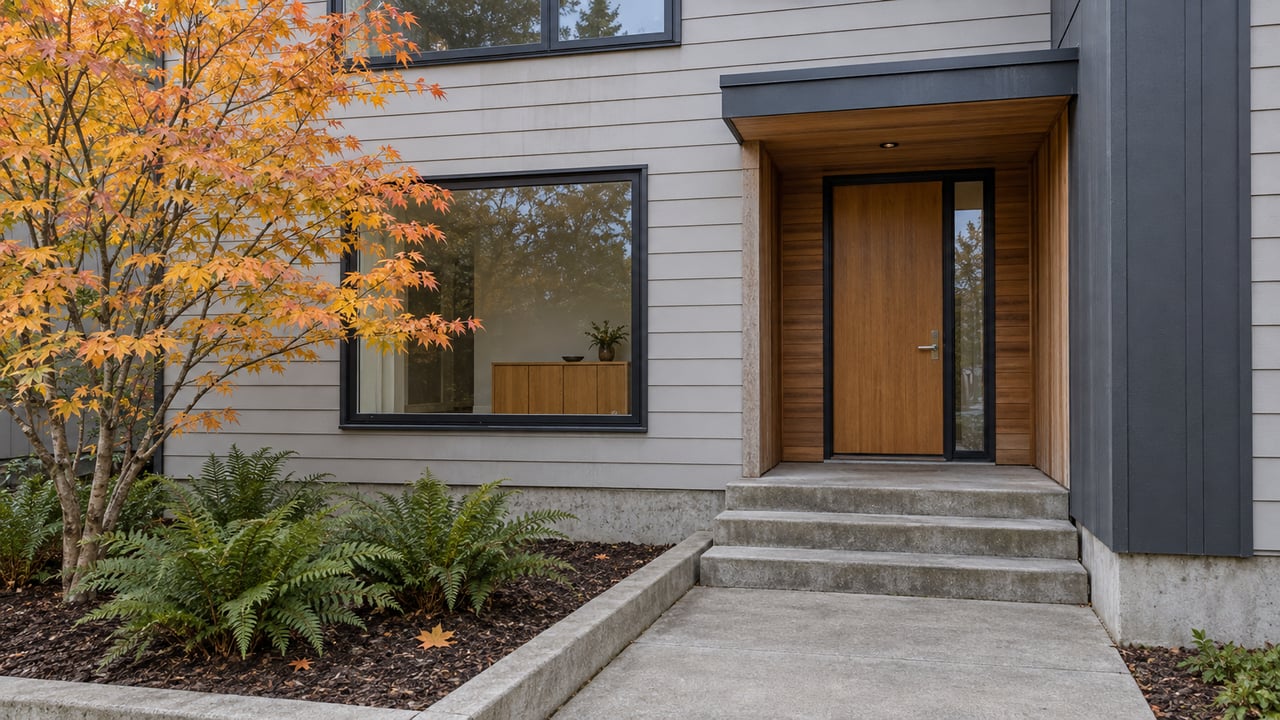
That wider mix gives buyers more options, but it also changes what “new” may look like. In many cases, newer homes are more compact and more likely to include shared walls or smaller outdoor space than older resale homes. If your priority is efficient use of space and newer finishes, that can be a plus.
Bothell’s middle-housing examples also suggest that many of these newer homes are designed around practical layouts. The city’s typologies include two-story homes with 3 to 4 bedrooms and either single- or double-car garages. For some buyers, that creates a useful balance between size and manageability.
How Bothell’s newer homes may feel on the lot
A new home’s lot can matter just as much as the floor plan. In some newer planning areas, site layout is shaped by topography, stormwater needs, and tree-preservation goals. The North Creek / NE 195th subarea plan specifically emphasizes preserving natural terrain and tree cover, minimizing site grading, and designing streets to follow the land where possible.
That means a newer home in Bothell may sit on a lot that feels carefully engineered rather than traditionally platted. You may see homes placed closer together, with outdoor space designed around slopes, drainage, or retained trees. If you are comparing homes, it helps to look beyond interior square footage and think about how the site itself functions.
Bothell’s updated development regulations, effective January 1, 2025, also include changes involving density, density minimums, height, lot coverage, and subdivision processes. For buyers, that can influence how much house fits on a lot and how close newer homes may be to neighboring properties. This is one reason two homes with similar square footage can feel very different in person.
What resale homes often offer in Bothell
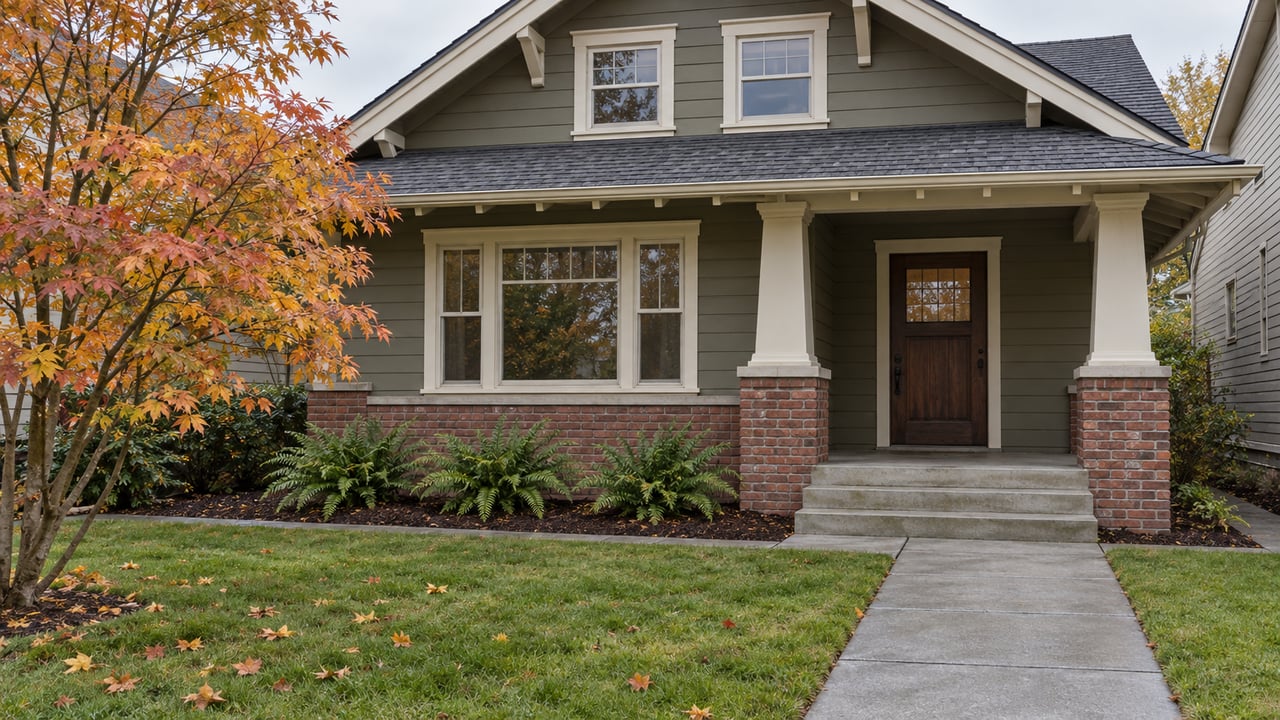
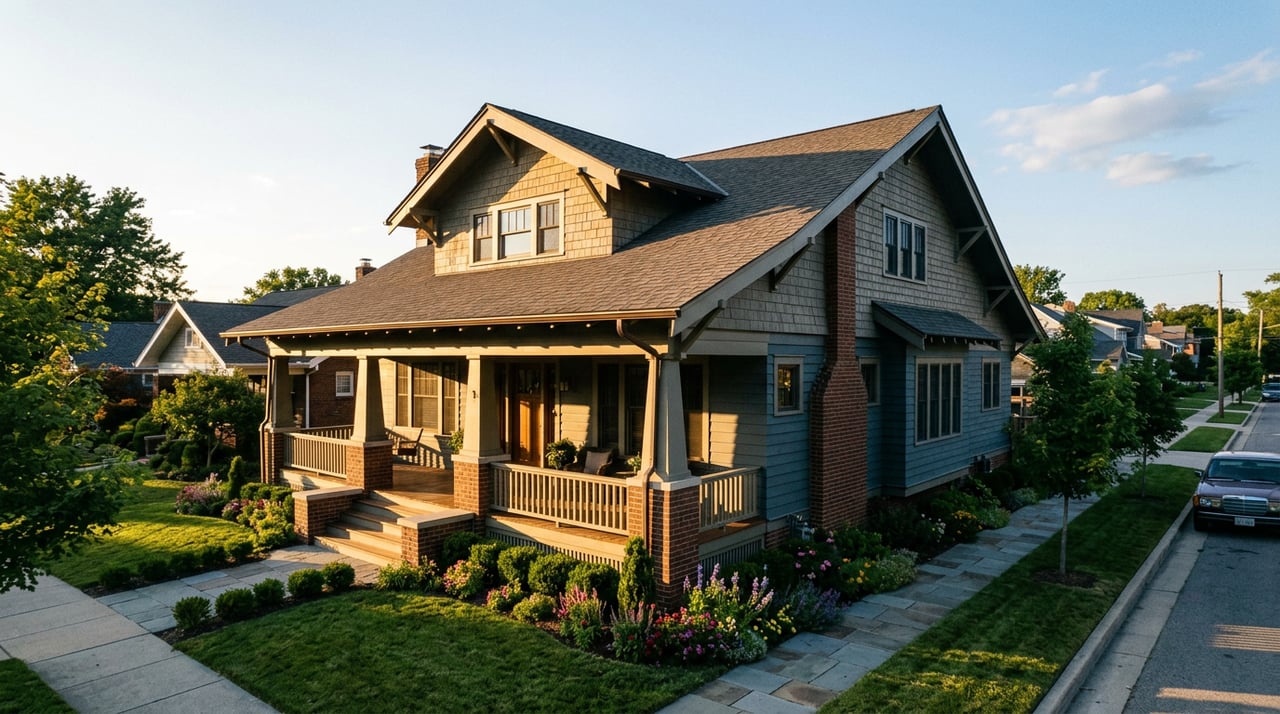
Resale homes in Bothell are more likely to reflect the city’s older single-family character. That often means more traditional lot patterns, established streetscapes, and housing styles shaped by earlier decades of development. If you are drawn to a classic neighborhood feel, resale inventory may offer more of that experience.
A resale home can also give you a clearer picture of how the property has lived over time. You can see mature landscaping, how the lot drains in its current form, and how the home relates to nearby properties. Those details can be very helpful when you are deciding whether a home fits your day-to-day needs.
At the same time, resale homes usually come with more visible condition questions. Older systems, aging finishes, and deferred maintenance can all become part of the decision. That does not mean resale is the wrong choice, but it does mean your due diligence becomes especially important.
Disclosure and inspection differences matter
One of the biggest practical differences between new construction and resale in Washington is the disclosure package. For a resale home, the seller disclosure statement is based on the seller’s actual knowledge and is for disclosure only, not a warranty. That gives you useful information, but it does not guarantee the home’s condition.
For never-occupied new construction, Washington law says some seller disclosure questions do not have to be completed. As a result, the paperwork on a brand-new home can look meaningfully different from what you would review on a resale purchase. Buyers sometimes assume “new” means fewer questions, but it often means you need to rely on different forms of due diligence.
This is where inspections become important in both cases. Washington home inspectors are licensed through the Department of Licensing, which makes inspection a formal and regulated step in the process. On a resale home, the inspection often plays a major role in evaluating systems, finishes, and site conditions that may have changed over time.
Why inspections still matter for new homes
It is easy to assume a brand-new home does not need an inspection. In reality, new construction still goes through a building process with permit review, required inspections, and a final inspection before completion. That supports code compliance, but it is not the same as having your own inspector evaluate the home before closing.
A buyer inspection can help identify incomplete items, workmanship concerns, or issues that should be addressed before move-in. It also gives you a written record if something needs follow-up with the builder. Even when everything looks clean and polished, having a professional review can add peace of mind.
For resale homes, inspections often carry even more weight. Consumer guidance for buyers says offers should typically be contingent on financing and a satisfactory inspection, and serious findings can justify renegotiating or walking away. In an older home, that contingency can be one of your most important protections.
Timeline is often the deciding factor
If you need to move on a predictable schedule, timeline may end up being the biggest factor in your decision. A resale home usually offers a shorter path from accepted offer to closing because the home is already built and occupied or ready for sale. That can make planning easier if you are coordinating a lease end, a sale of your current home, or a relocation.
New construction often takes longer. The home may not be finished yet, the builder may require an upfront deposit, and the permit process can involve more than one review cycle. In Bothell, permits are required before work starts, plans must be reviewed for code compliance, and inspections are mandatory through final inspection.
That longer runway can work well if you want more time to plan or if you are buying early in the construction cycle. It can be harder if your schedule is tight or if you need certainty around move-in dates. This is one area where contract details and timeline management become especially important.
Warranties help, but they have limits
Many buyers choose new construction because they expect fewer repairs in the near term. That is often reasonable, and builder warranties can provide some protection. According to the FTC, workmanship and materials on most components are often covered for one year, HVAC, plumbing, and electrical systems for about two years, and some builders offer coverage of up to 10 years for major structural defects.
Still, warranty coverage is not unlimited. Appliances and small cosmetic cracks are usually excluded, and a home warranty is a separate service contract that can cost extra. It is smart to read the warranty carefully so you know what is covered, for how long, and what steps are required to make a claim.
Resale homes usually do not offer that same builder-backed protection. Because the seller disclosure is not a warranty, you may need to budget more quickly for maintenance or replacement items after closing. That does not make resale a poor choice, but it does mean your cost planning should be realistic.
Which choice fits your priorities?
For many Bothell buyers, the decision comes down to tradeoffs rather than a clear winner. New construction often offers newer materials, more efficient layouts, and less immediate repair uncertainty, but it may also mean a longer timeline, a denser setting, or a smaller lot. Resale homes may offer more established surroundings and a more traditional feel, but they often require closer review of condition and future maintenance needs.
Here is a simple way to think about it:
| If you value... | New construction may fit better | Resale may fit better |
|---|---|---|
| Move-in condition | Yes | Sometimes |
| Faster closing timeline | Not usually | Often |
| Traditional neighborhood pattern | Less often | More often |
| Builder warranty coverage | Often | Rarely |
| Established lot and landscaping | Less often | More often |
| Newer, compact housing formats | More often | Less often |
The right answer depends on how you rank timing, layout, lot design, condition risk, and future maintenance. A thoughtful comparison can keep you from focusing too much on finishes alone.
How to compare homes more clearly
When you tour homes in Bothell, try to compare them with the same checklist in mind. That helps you make a cleaner decision when one home is new and another is resale.
Consider these questions:
- How important is your move-in timeline?
- Do you prefer an established setting or a newer growth area?
- Are you comfortable budgeting for maintenance soon after closing?
- Would a builder warranty meaningfully lower your stress level?
- Is lot layout, privacy, or yard space a major priority?
- Do you want a detached home only, or are townhomes and other attached options on the table?
A side-by-side approach often reveals that your best choice is less about age and more about fit. The home that works best for your life may not be the newest one on the market.
Whether you are comparing a new build in a growth-focused area or a resale home in an established part of Bothell, clear guidance can make the decision much easier. If you want experienced, steady advice on how to evaluate your options, reach out to Stephen Snee for a thoughtful, contract-focused approach tailored to your move.
FAQs
What types of new construction homes are common in Bothell?
- In Bothell, new construction can include detached condominiums, townhomes, duplexes, triplexes, fourplexes, and single-family homes with attached or detached accessory dwelling units, not just traditional detached houses.
Where are new construction homes usually found in Bothell?
- New construction in Bothell is most associated with growth-focused areas such as Canyon Park, Downtown Bothell, and the North Creek / NE 195th subarea rather than every part of the city equally.
What do resale homes usually look like in Bothell?
- Resale homes in Bothell are more often tied to the city’s older single-family neighborhoods and earlier subdivision patterns, so they may feel more traditional in layout and setting.
How is the disclosure process different for Bothell new construction versus resale homes?
- In Washington, resale sellers complete a disclosure statement based on their actual knowledge, while some disclosure questions do not have to be completed for never-occupied new construction, so the paperwork can differ in important ways.
Do you still need a home inspection for a new construction home in Bothell?
- Yes. Even though new homes go through permit review and required inspections, a buyer’s inspection can still help identify workmanship issues, incomplete items, or concerns to address before closing.
Why can new construction take longer to buy in Bothell?
- New construction may involve an unfinished home, builder deposits, permit review, and required inspections through final approval, all of which can extend the timeline compared with a resale purchase.
Do builder warranties fully protect a Bothell new construction buyer?
- No. Builder warranties can provide useful coverage for certain items and time periods, but they are limited, and common exclusions may include appliances and cosmetic issues.
What is the biggest advantage of buying a resale home in Bothell?
- For many buyers, the biggest advantage is a more established setting with a potentially faster closing timeline and a clearer sense of how the property and lot function in real life.