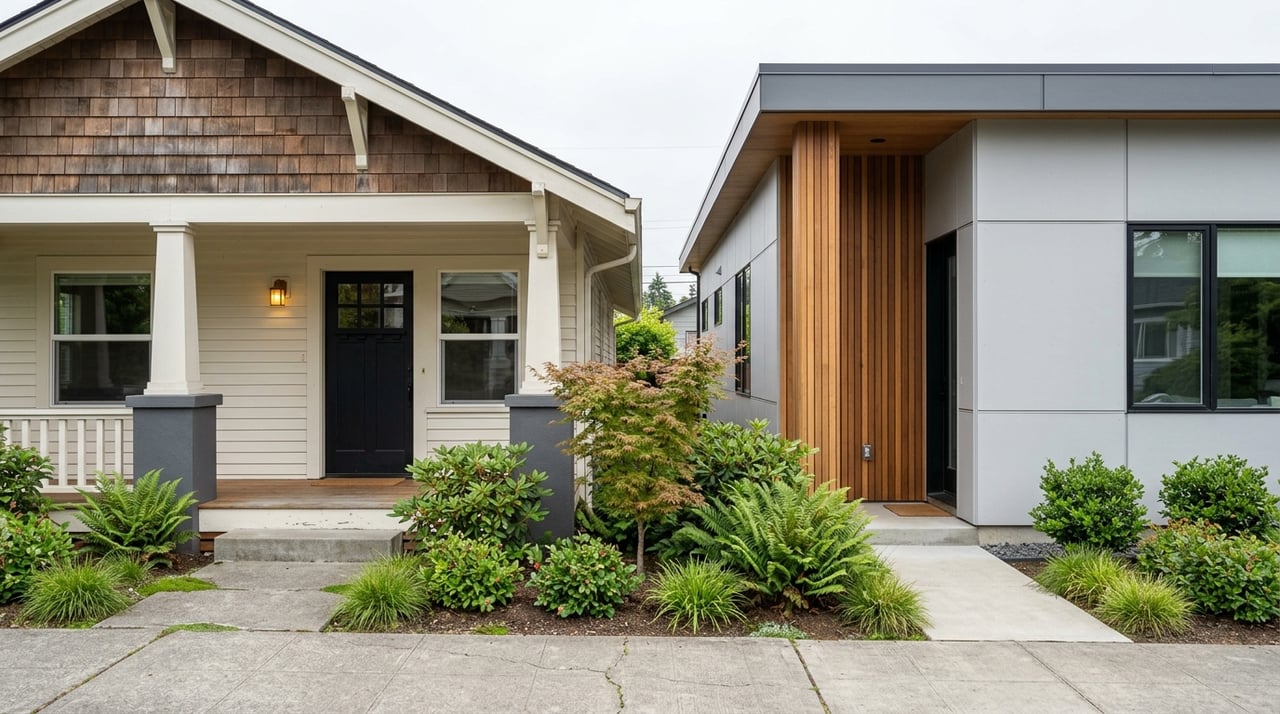
If you are comparing Eastlake, Montlake, and Madison Park, the home styles can tell you a lot before you ever step inside. These three Seattle neighborhoods all sit along the city’s central-lake corridor, but they offer very different streetscapes, housing patterns, and day-to-day settings. If you want to understand which area may fit your lifestyle, this guide will help you read the architecture and the feel of each neighborhood. Let’s dive in.
Eastlake, Montlake, and Madison Park at a glance
While these neighborhoods share a close connection to the water, they do not look or live the same way. Based on Seattle planning and historic inventory sources, Eastlake is the most urban and mixed-use, Montlake is the most intact pre-World War II residential district, and Madison Park is the most traditional lakeside neighborhood of the three.
That distinction matters when you are buying or selling. In Seattle, home style often reflects not just design preferences, but also lot patterns, housing density, and the kind of lifestyle a neighborhood supports.
Eastlake home styles
Eastlake is the most eclectic of the three neighborhoods. Seattle’s neighborhood planning documents describe it as a place with low- and midrise multifamily housing, mixed-use buildings, office and commercial uses, townhouses, and pockets of single-family homes.
That mix gives Eastlake a more layered and urban look. You will often see older residential buildings alongside newer development, especially near Eastlake Avenue, where the neighborhood’s street-edge character feels more active and compact than Montlake or Madison Park.
Craftsman bungalows in Eastlake
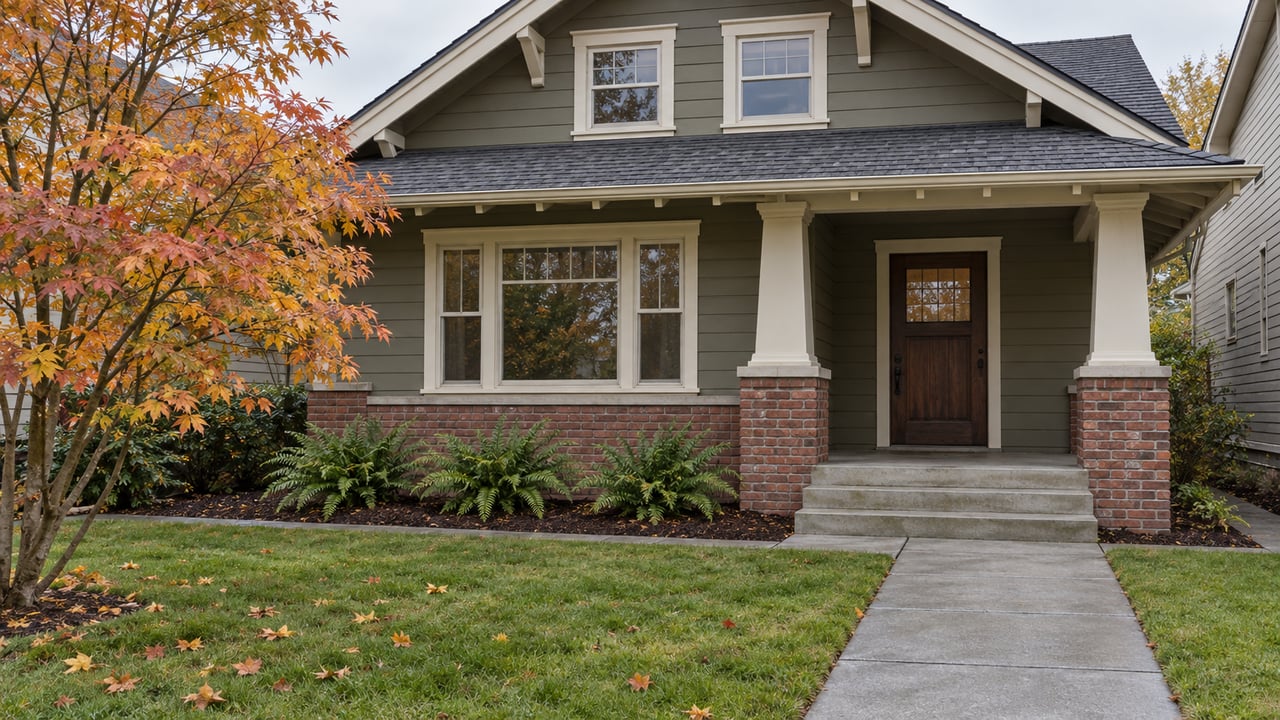
Some of Eastlake’s most recognizable older homes are Craftsman bungalows. City historic records identify intact examples with features like broad gables, deep recessed porches, clinker brick, and one- to one-and-a-half-story forms.
In practical terms, these homes often feel approachable and lot-connected. Craftsman houses usually emphasize porches, simple massing, and functional layouts, which fits Eastlake’s long-established residential fabric.
Bungalow courts in Eastlake
Eastlake also stands out for its bungalow courts. Seattle historic inventories document 1920s courtyard-style complexes, including examples with Tudor Cottage details like steep gables, half-timbering, and leaded windows.
These properties help explain why Eastlake feels visually varied. Instead of one dominant house type, you get a blend of compact detached homes, small-scale multifamily buildings, and shared courtyard arrangements.
Floating homes in Eastlake
Floating homes are one of Eastlake’s defining residential forms. According to the Floating Homes Association, there are 507 floating homes on 70 docks around Lake Union, including in Eastlake, and these are fixed residences with permanent sewer, water, and electricity connections.
This adds a distinct housing option you will not find in Montlake in the same way. It also shapes the neighborhood’s identity, since dock life tends to create close-knit, water-oriented residential clusters.
What Eastlake feels like
If you are drawn to walkability, transit access, and a strong connection to the water, Eastlake may feel like the most natural fit. Its housing mix supports a more compact urban lifestyle, with less emphasis on large detached lots and more emphasis on proximity, variety, and neighborhood energy.
For buyers, that can mean more architectural variety and more unusual housing choices. For sellers, it means Eastlake’s appeal often comes from its layered character and distinctive housing forms.
Montlake home styles
Montlake is the most historically intact residential district of the three. Seattle inventory records say the neighborhood was developed primarily between 1910 and 1940 and has relatively few newer intrusions, which helps preserve its early 20th-century character.
That consistency gives Montlake a very different feel from Eastlake. The streetscape reads as more detached, more lot-oriented, and more shaped by mature landscaping and period homes.
Craftsman homes in Montlake
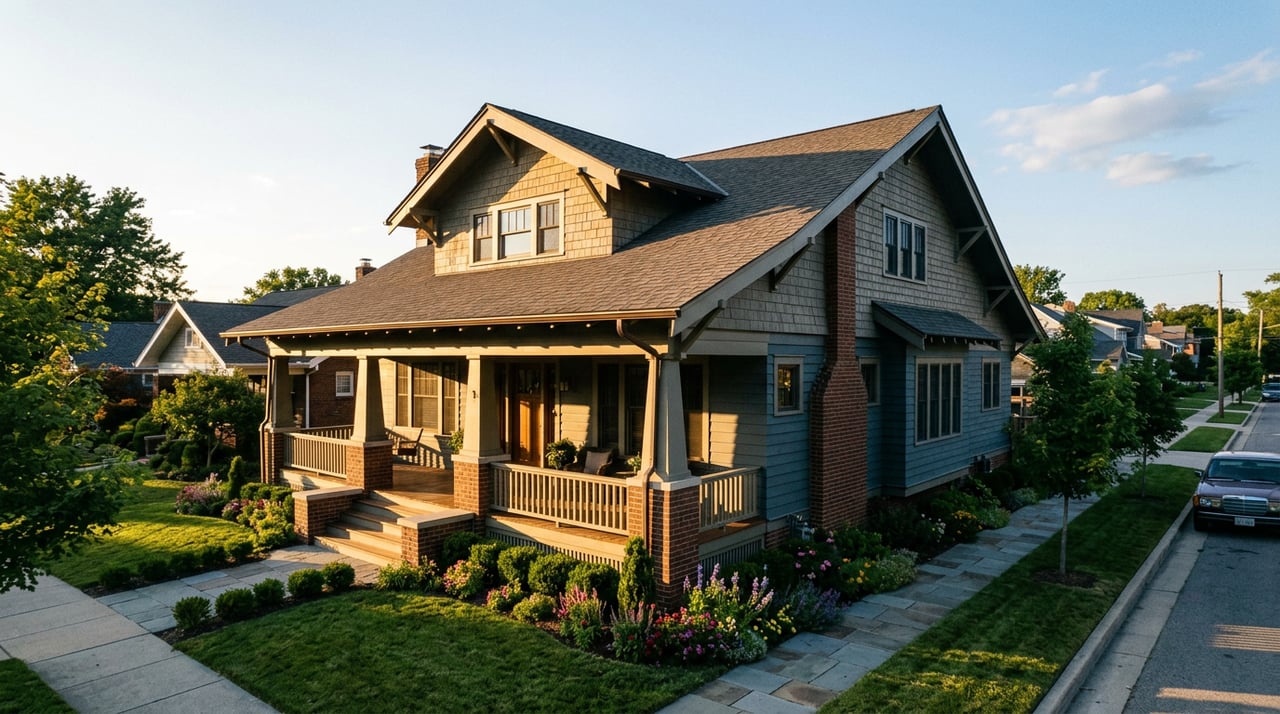
Craftsman houses are a major part of Montlake’s visual identity. City records identify bungalow examples with side-gable roofs, deep eaves, exposed rafter tails, and front porches.
These homes usually feel porch-forward and grounded. In Montlake, they contribute to a residential pattern that feels established and cohesive rather than mixed-use or rapidly changing.
Revival styles in Montlake
Montlake also has a strong collection of revival-era homes. Seattle records point to Colonial Revival, Dutch Colonial Revival, and Tudor Revival residences throughout the neighborhood.
This gives the area more stylistic range than you might expect at first glance. You may see modest cottages and builder homes on one block, then more formal architect-designed houses nearby, all within a distinctly historic setting.
How to spot Tudor and Colonial Revival homes
Tudor Revival homes often stand out through steep gable roofs, clipped gables, recessed entries, and leaded windows. In Montlake, these houses tend to feel more picturesque and formal than a typical bungalow.
Colonial Revival homes usually read as more symmetrical and balanced. Centered entrances, classical trim, and a more formal front elevation often signal that style in Seattle’s central-lake neighborhoods.
What Montlake feels like
Montlake tends to appeal to people who want a residential setting with a strong sense of continuity. Seattle records note its relationship to the Washington Park Arboretum, Interlaken Park, the ship canal, and the Montlake Bridge, which helps explain its enclosed, green, and established feel.
If Eastlake feels layered and urban, Montlake feels quieter and more house-centered. For many buyers, the draw is the combination of period architecture, detached homes, and close access to parks and the lake.
Madison Park home styles
Madison Park is the most traditional lakeside neighborhood in this group. Recent historic documentation says its character remains largely unchanged, with most commercial and residential structures dating from the 1920s to the 1940s, plus a scattering of newer construction.
The neighborhood is mostly made up of single-family homes, along with some waterfront condominiums and a small number of apartment buildings. That gives Madison Park a lower-scale, more village-like appearance overall.
Traditional homes in Madison Park
Madison Park’s architectural identity is less about one standout house type and more about its overall consistency. Reports describe steady growth from the 1920s through the 1950s on medium-sized lots, which supports a traditional residential pattern.
You are more likely to notice the neighborhood’s classic streetscape than a single dominant style label. The area tends to read as stable, residential, and closely tied to its lakeside setting.
Colonial Revival influence near the lake
One useful clue to Madison Park’s visual language is the Madison Park Bathhouse, which the city describes as a wood-frame lakefront building with Colonial Revival features such as clapboard siding and Palladian-style windows. While it is not a residence, it reflects the neighborhood’s preference for classic, traditional design near the shoreline.
That helps explain why Madison Park feels less urban than Eastlake and less style-specific than Montlake. The neighborhood’s appeal often comes from its overall lakeside character rather than dramatic architectural contrast.
What Madison Park feels like
Madison Park leans toward a slower, village-centered experience. Historic documentation describes a compact commercial core, longstanding local businesses and restaurants, and a lakefront setting shaped by the beach, promenade, ferry access, and park amenities.
For buyers, that often translates to a residential environment that feels leisurely and established. For sellers, the neighborhood’s value is often tied to its traditional scale, shoreline identity, and enduring sense of place.
Key style differences
If you are trying to separate these neighborhoods quickly, a simple framework can help.
| Neighborhood | Main housing pattern | Common style cues | Overall feel |
|---|---|---|---|
| Eastlake | Mixed-use, multifamily, townhouses, single-family pockets, floating homes | Craftsman bungalows, bungalow courts, Tudor Cottage details, floating homes | Eclectic, urban, water-linked |
| Montlake | Detached early 20th-century residential homes | Craftsman, Colonial Revival, Dutch Colonial Revival, Tudor Revival | Historic, green, residential |
| Madison Park | Mostly single-family with some condos and apartments | Traditional early- to mid-20th-century homes, Colonial Revival influence | Lakeside, village-like, low-scale |
How to choose the right fit
If you want architectural variety and a more urban lake-adjacent setting, Eastlake stands out. If you prefer a residential neighborhood with preserved early 20th-century homes and a strong historic feel, Montlake is likely the better match.
If your goal is a traditional lakeside setting with mostly single-family homes and a village atmosphere, Madison Park may be the clearest fit. Each neighborhood has its own rhythm, and understanding the housing stock can make your search more focused and more efficient.
Why neighborhood style matters in Seattle
In Seattle, style is not just about curb appeal. It often shapes maintenance expectations, interior layout, lot use, and how a home relates to the street and surrounding properties.
That is why neighborhood-level guidance matters. When you understand how Eastlake, Montlake, and Madison Park differ, you can evaluate homes in context rather than just comparing square footage or finishes.
Whether you are narrowing down where to buy or preparing to position a home for sale, local insight can make a real difference. If you want help comparing Seattle neighborhoods and understanding how home style connects to market appeal, Stephen Snee offers experienced, neighborhood-focused guidance backed by careful transaction support.
FAQs
What home styles are most common in Eastlake, Seattle?
- Eastlake has the most varied housing mix of the three neighborhoods, including low- and midrise multifamily buildings, townhouses, single-family pockets, Craftsman bungalows, bungalow courts, and floating homes.
What makes Montlake homes different from Eastlake homes?
- Montlake is more intact as an early 20th-century residential neighborhood, with detached Craftsman and revival-era homes, while Eastlake has a more urban mix of multifamily, mixed-use, townhouse, and water-linked housing.
What kind of homes are typical in Madison Park, Seattle?
- Madison Park is mostly made up of single-family homes from the 1920s to 1940s, along with some waterfront condominiums and a small number of apartment buildings.
Are floating homes part of Eastlake housing?
- Yes, floating homes are a defining part of Eastlake’s housing identity, with dock-based residences connected to permanent utilities around the Lake Union shoreline.
How can you identify Craftsman homes in Montlake or Eastlake?
- Craftsman homes are often one to two stories with broad gables, deep eaves, front porches, and details like exposed rafter tails that create a practical, porch-oriented look.
Which Seattle neighborhood feels most traditional: Eastlake, Montlake, or Madison Park?
- Madison Park generally feels the most traditional lakeside and village-like, while Montlake feels the most preserved and historic, and Eastlake feels the most eclectic and urban.