Thinking about selling your Sammamish home in the next 6 to 12 months? You are smart to plan ahead. In an upper-end Eastside market like Sammamish, preparation can be the difference between a fast, confident sale and a long, stressful one. In this guide, you will learn what to fix first, which documents buyers expect, how to time your listing, and the curb appeal moves that work best in our Pacific Northwest climate. Let’s dive in.
Know your market timing
Sammamish is a higher-priced Eastside market where activity can shift by price point and neighborhood. Spring often brings the strongest buyer traffic across the Seattle area. In many years, a well-prepared listing in late March through May sees shorter days on market. That said, the hottest week varies year to year. Check current local activity and comparable listings right before you set your launch date.
A simple plan: decide your target window now, do the core repairs early, and leave time for staging and photography as you approach listing week.
Get your paperwork in order
Strong documentation builds trust and removes speed bumps. Start gathering these items early so your listing package is complete when you hit the market.
Seller disclosures in Washington
Washington sellers must deliver a written Seller Disclosure Statement, commonly called Form 17. It covers your knowledge about title, water and sewer, structural items, systems and fixtures, and environmental issues. The buyer has statutory rights after receiving this form, including a short rescission window unless waived. Read the chapter that governs seller disclosures in the state’s law so you understand timing and content requirements. You can review the relevant chapter at the official source for Washington law under Residential Real Property Transfer Disclosure statements.
What this means for you: be accurate and honest, gather records to support your answers, and be ready for buyers to review your disclosures early in the process.
Permits and unpermitted work in Sammamish
The City of Sammamish requires permits and inspections for building, plumbing, and mechanical work, and warns owners not to cover work before inspections occur. Collect your permit records and final approvals now. If work was done without a permit, disclose it and contact the city about next steps. Buyers, lenders, and title companies often ask for permit histories. You can review the city’s inspection expectations on the City of Sammamish building inspections page.
HOA resale certificates
If your property is in a homeowners association, Washington law requires the association to provide a resale certificate and key financial and governance information. Fees and timing are set by statute, and buyers may have rescission rights after they receive the packet. Request the resale certificate early so any issues like special assessments or litigation can be addressed ahead of time. You can read the statutory framework behind HOA resale certificates in Washington.
Documents to gather now
- Signed permits and final inspection approvals for remodels or additions
- Receipts, manuals, and warranties for recent work and appliances
- Service records for HVAC, roof, and major systems
- Pre-listing home inspection report if you order one
- HOA resale certificate and governing docs if applicable
- Utility bills or average operating costs for the last 12 months
Inspect first, then prioritize repairs
A pre-listing inspection helps you control the narrative, price with confidence, and avoid renegotiations in escrow.
Hire a licensed Washington home inspector
Home inspectors in Washington must be licensed and follow state reporting standards. If your home is older or you suspect deferred maintenance, consider a full pre-listing inspection so you can choose what to repair now versus disclose and price accordingly. Learn what licensure requires at the state’s page on Home Inspectors, RCW 18.280.
Depending on your property, common add-ons include a roof or attic check, a sewer-line scope for older homes, chimney and venting inspection, a furnace or heat-pump service, and a wood-destroying organism evaluation if there is any evidence.
High-priority fixes that preserve value
Focus on the items most likely to spook buyers or delay closing in our wet, maritime climate.
- Water intrusion and drainage. Correct grading so water moves away from the foundation. Extend downspouts, clear clogs, and fix visible leaks. Some Sammamish lots are near steep slopes or shoreline. Buyers often review local critical-area layers early, so address drainage concerns up front. See the city’s information on critical areas and hazard overlays.
- Roof and gutters. Remove moss, clear gutters, and fix flashing issues. If the roof is near end-of-life, get a contractor estimate so you can decide whether to replace or disclose and price.
- Major systems. Check electrical panels for safety issues, confirm plumbing performance, and service HVAC systems. Keep dated service receipts in your file.
- Decks, steps, and exterior wood. Repair rot, tighten railings, and confirm that any prior deck work was permitted if required. If you need to schedule inspections, review the city’s building inspections guidance.
- Safety items. Install smoke and carbon-monoxide detectors where required, add GFCI outlets in wet areas, and secure handrails. These small fixes remove easy negotiation points.
Document and disclose
If you fixed something significant, save before-and-after photos, invoices, and warranty details. If any past work lacks permits, disclose it in Form 17 and consult the City of Sammamish about whether a retroactive permit or inspection is appropriate. Clear documentation often keeps minor questions from becoming deal-breakers.
Smart updates and staging that pay off
You rarely need a full remodel to sell well. In most cases, light updates plus great presentation give you the best return within a 6 to 12 month horizon.
Low-cost, high-impact improvements
- Fresh, neutral interior paint and a cleaned or refinished front door
- Lighting upgrades to brighten darker PNW rooms
- Replace worn carpet in key rooms or repair damaged hardwoods
- Kitchen and bath touchups: new hardware, fresh caulk, updated faucets, or a simple appliance refresh
These changes tighten the overall impression without overspending.
Staging and photography expectations
Staging shapes how buyers perceive space and can reduce time on market. According to a recent National Association of REALTORS report, listing agents commonly say staging shortens days on market and can increase the price buyers are willing to offer. You can read more in NAR’s summary on how home staging boosts sale prices and reduces time on market.
Pair staging with high-quality listing photos, including a well-timed twilight exterior if your home shows well at dusk. On the Eastside, 3D tours and clear floor plans are standard buyer expectations.
Pricing versus remodeling
In Sammamish, buyers often reward move-in-ready condition. Large remodels right before listing can be expensive and may not fully pay back. In most cases, targeted cosmetic updates, strong staging, and accurate pricing outperform major renovations when you plan to sell within a year. Ask your agent for a comparative market analysis to decide where to invest.
Curb appeal for Sammamish lots
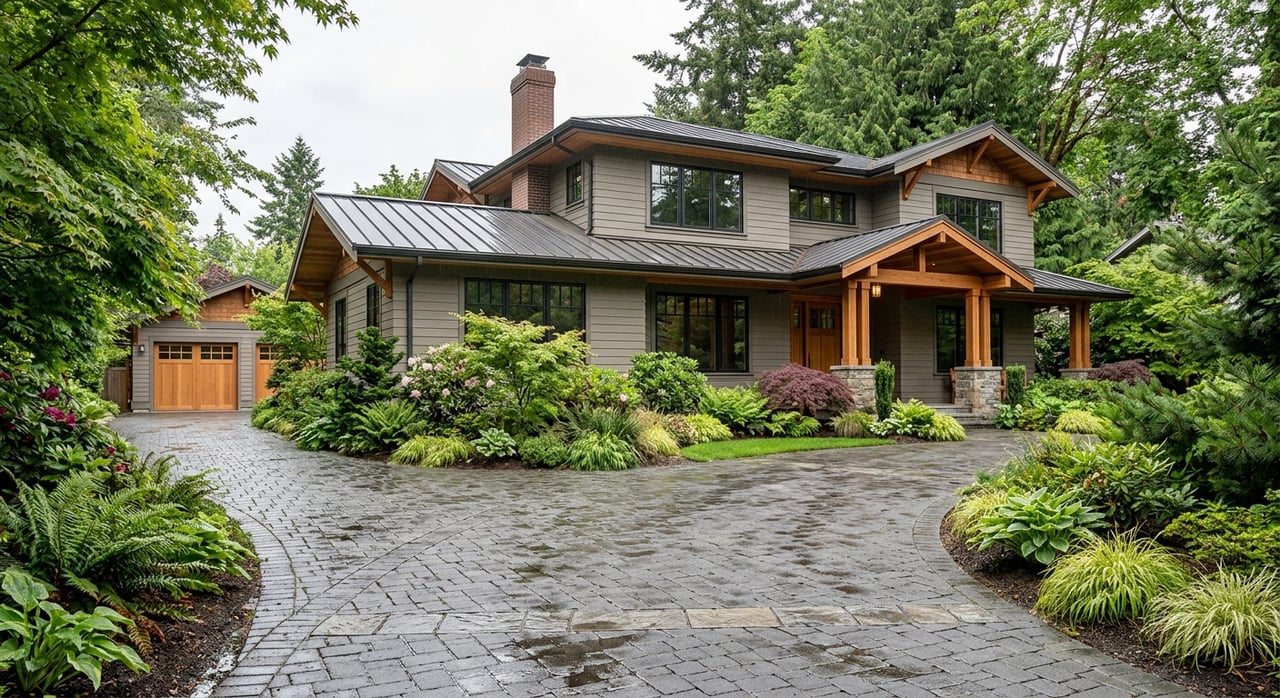
Great curb appeal sets the tone before a buyer steps inside. Aim for clean lines, healthy plants, and careful storm prep.
Know your site and climate
Sammamish sits on the Lake Sammamish plateau and nearby foothills. Some parcels are near shoreline, flood areas, or mapped steep slopes. Buyers and sellers often check city critical-area layers during due diligence. Get familiar with these overlays using the city’s critical areas FAQ.
Our maritime climate means wet winters and relatively dry summers. Plan maintenance around that reality.
Seasonal yard checklist
- Winter to spring prep. Clear gutters, trim branches near the roofline, remove moss from hardscapes, power-wash the entry and drive, refresh mulch, and prune to reveal structure and any territorial views.
- Summer prep. Keep the lawn trimmed, adjust irrigation, and highlight outdoor living areas with clean furniture and simple planters. If you have a patio or deck, stage it so buyers can imagine daily use.
Planting the PNW way
Choose native and Northwest-adapted plants for lower maintenance and year-round interest. King County’s Go Native resource offers plant palettes and designs tailored to local conditions. Explore sample plans and plant lists with the county’s Go Native planning tool.
Storm readiness and drainage
Heavy rain can expose hidden drainage problems. Make sure downspouts discharge away from the foundation, regrade low spots that collect water, and keep a record of any drainage work in case permits or inspections apply. Review the city’s guidance on inspections and related requirements.
A practical pre-listing timeline
Use this simple schedule to keep your sale on track.
6 to 12 months out: plan and assess
- Interview a local Eastside agent and request a comparative market analysis.
- If the home is older or you suspect deferred maintenance, consider a full pre-listing inspection by a licensed Washington inspector. See the state rules for home inspector licensing.
- Start a document file: permits and final sign-offs, warranties, service records, and your HOA resale packet if applicable.
3 to 6 months out: repair and document
- Complete drainage fixes, gutter and roof maintenance, and safety upgrades.
- Address any deck or exterior wood repairs. If permits are needed, plan for city inspections.
- Get estimates for any larger projects you decide not to complete so you can disclose them and price accordingly.
4 to 6 weeks out: style and market
- Declutter, deep clean, and do paint touchups in neutral tones.
- Finalize staging and schedule professional photography. If exterior lighting is an asset, plan a twilight shot.
- Confirm curb appeal: mulch, fresh edging, clean walkways, and tidy beds.
- Prepare your listing packet: Form 17 disclosures, permits, warranties, service records, and the HOA resale certificate if relevant. For disclosure timing rules, review the state statute governing Form 17.
0 to 2 weeks out: launch with a plan
- Final walkthrough to confirm repairs and safety items are complete.
- Go live with clear showing instructions and a follow-up plan for buyer feedback.
- Keep your documentation handy to answer buyer questions quickly.
Ready to start?
You do not need to overbuild your home to sell well in Sammamish. Focus on clean documentation, the right repairs, smart presentation, and accurate pricing. If you want a clear plan that fits your property and timing, reach out to schedule a consultation with Stephen Snee. Let’s connect.
FAQs
What is Washington’s Form 17 seller disclosure?
- It is a state-required disclosure where you share your knowledge of the property’s condition and systems, with buyer rescission rights set by statute.
Do I need a pre-listing home inspection in Washington?
- It is optional but helpful; hire a licensed inspector so you can fix issues early or disclose them and price accordingly under RCW 18.280.
How should I time a Sammamish sale seasonally?
- Spring often draws the most buyers, but confirm current local activity before you choose a specific launch week.
Which repairs matter most to Sammamish buyers?
- Tackle water and drainage issues, roof and gutter maintenance, major systems, deck safety, and basic safety items like detectors and GFCIs.
How do HOA resale certificates affect my sale?
- Request the resale packet early since buyers review HOA financials and rules, and statute may give them rescission rights after receipt.
What is a sewer scope and should I get one?
- For older homes, a camera inspection of the sewer line can reveal issues before listing so you can repair or disclose with estimates.