If you work in Seattle, Bellevue, or somewhere in between, Bothell can look like a smart compromise. You get a more suburban housing mix and access to multiple job centers, but your commute may not follow one simple rail line or one predictable route every day. If you are weighing home style against commute convenience, Bothell is a market worth understanding carefully. Let’s dive in.
Why Bothell appeals to commuters
Bothell sits between Seattle and major Eastside employment areas, with key connections through SR 522, SR 527, and I-405. Those corridors also connect onward to I-5, SR 520, and I-90, which helps explain why Bothell draws buyers who need regional access rather than a single downtown-focused commute.
That said, Bothell is still a suburban city outside the urban core. According to the city’s transportation plan, areas outside downtown often require driving because the street network is disconnected in places and shaped by wetlands and steep slopes.
For many buyers, that is the central tradeoff. Bothell can offer housing flexibility and broad regional access, but it usually works best if you are comfortable mixing driving, transit, and work-from-home days rather than expecting one rail-heavy commute pattern.
What commuting looks like today
The city’s 2022 ACS snapshot gives a useful picture of how residents actually get to work. About 57% of commuters drive alone, 8% carpool, 6% use transit, 2% walk, 1% bike, and 27% work from home.
Those numbers tell a simple story. Bothell supports several commuting styles, but driving still plays a major role for many households, especially outside downtown.
Seattle commute options
If you commute toward Seattle, Bothell offers more than one bus pattern. Sound Transit Route 522 runs along Bothell Way NE, serves stops including UW Bothell/Cascadia College and Beardslee Boulevard, and ends at Roosevelt Station with weekday service that starts early and runs late.
King County Metro Route 372 also connects Bothell with Lake City and the University District. In practical terms, that can make Bothell a workable option if your destination is north Seattle or if you want bus access without relying on a single route.
Bellevue and Eastside options
For Eastside commuters, Bothell also gives you several choices. King County Metro Route 239 links Bothell with Brickyard Park & Ride, Totem Lake, and Kirkland.
Community Transit also lists Routes 532 and 535 as Bothell-to-Bellevue options, and Route 908 provides weekday peak-direction service between Snohomish, Bothell, Totem Lake, and downtown Bellevue. That variety matters because it gives you route flexibility depending on where you work and what time you travel.
Park-and-ride access matters
If you prefer to split your trip between driving and transit, Bothell has useful park-and-ride infrastructure. Community Transit notes that riders can use local buses, express buses, Swift bus rapid transit, and vanpool services.
Bothell has three Park & Ride facilities in Downtown, Brickyard, and Canyon Park. Sound Transit lists Canyon Park Park-and-Ride with 298 spaces and Bothell Park-and-Ride with 220 spaces, which can be a meaningful advantage if you want to avoid driving the entire way.
Housing choices shape the tradeoff
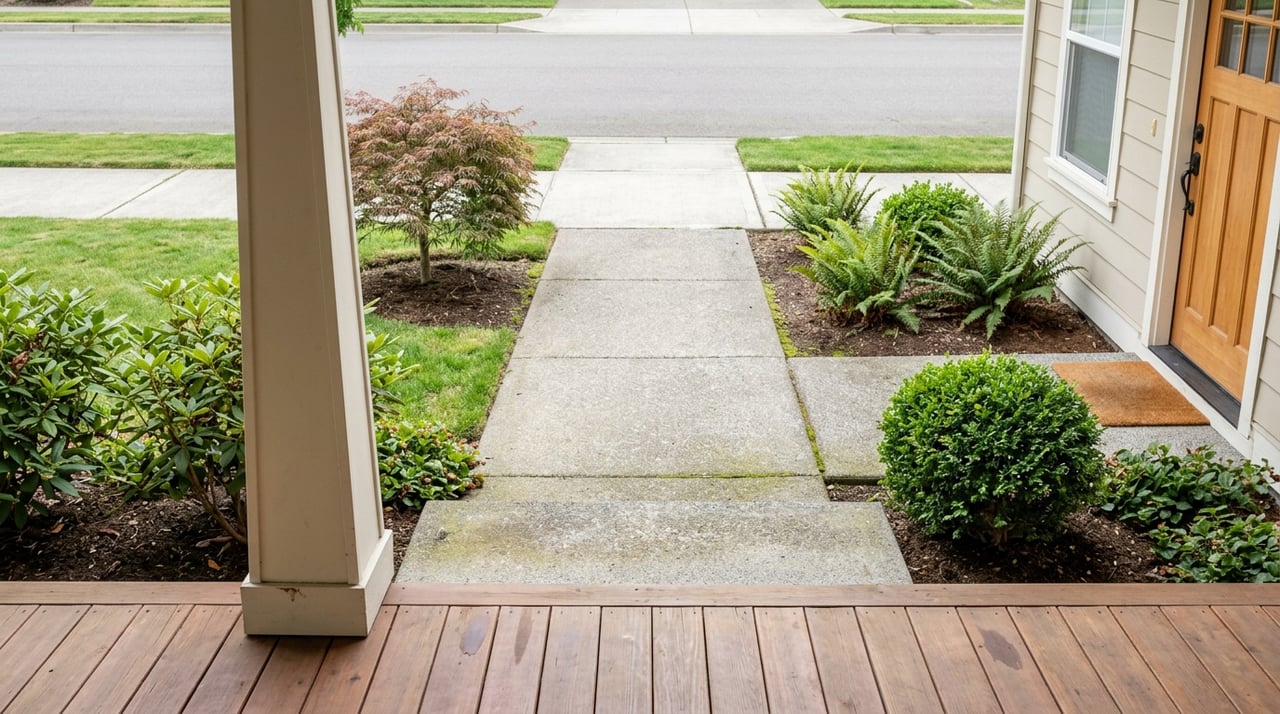
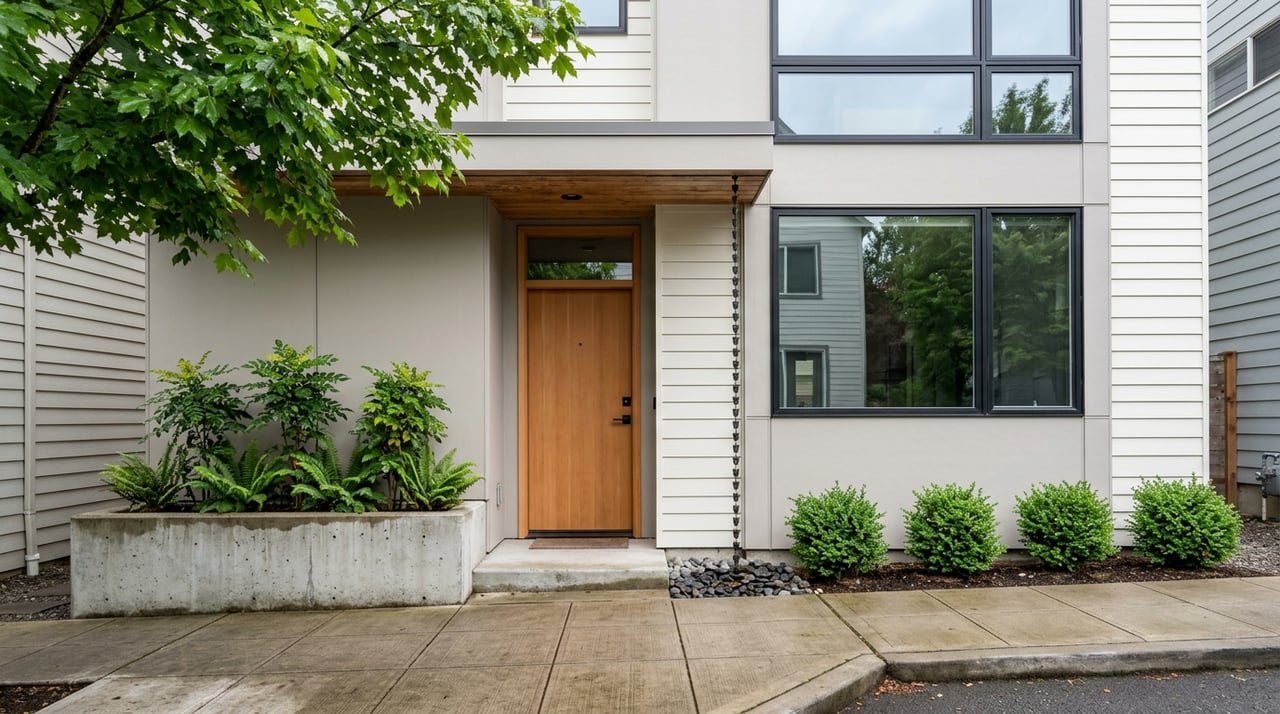
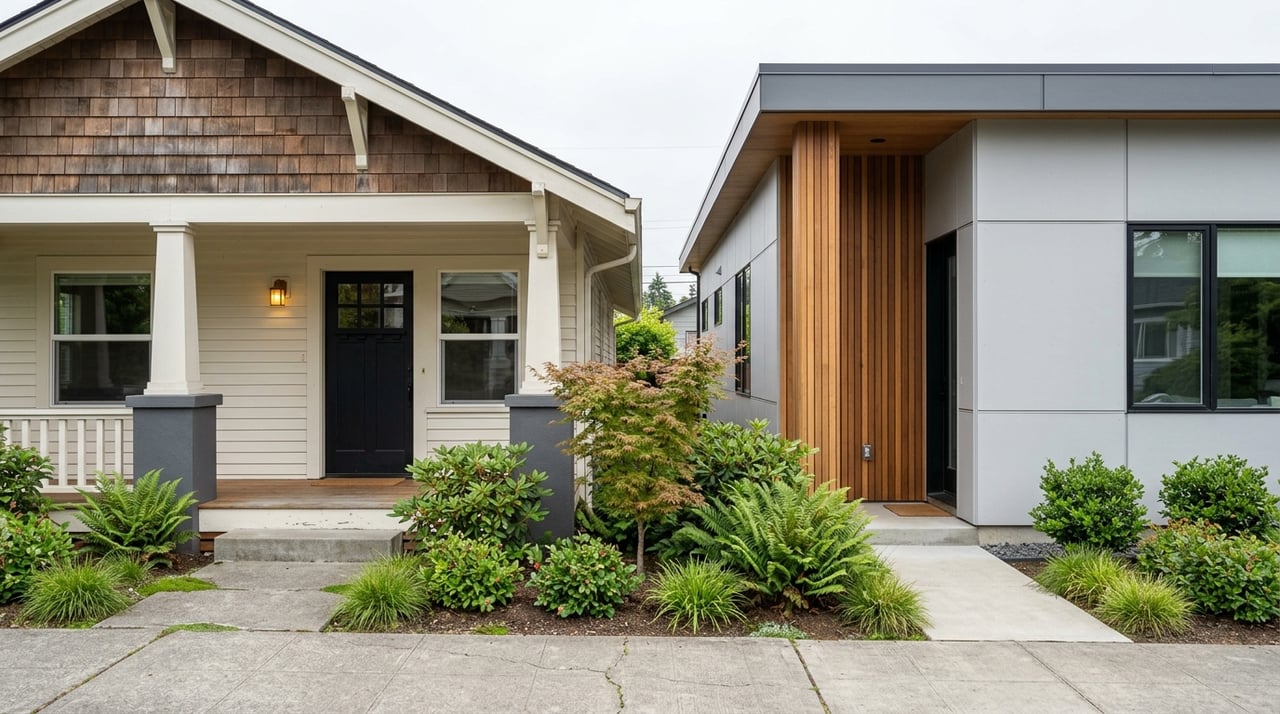
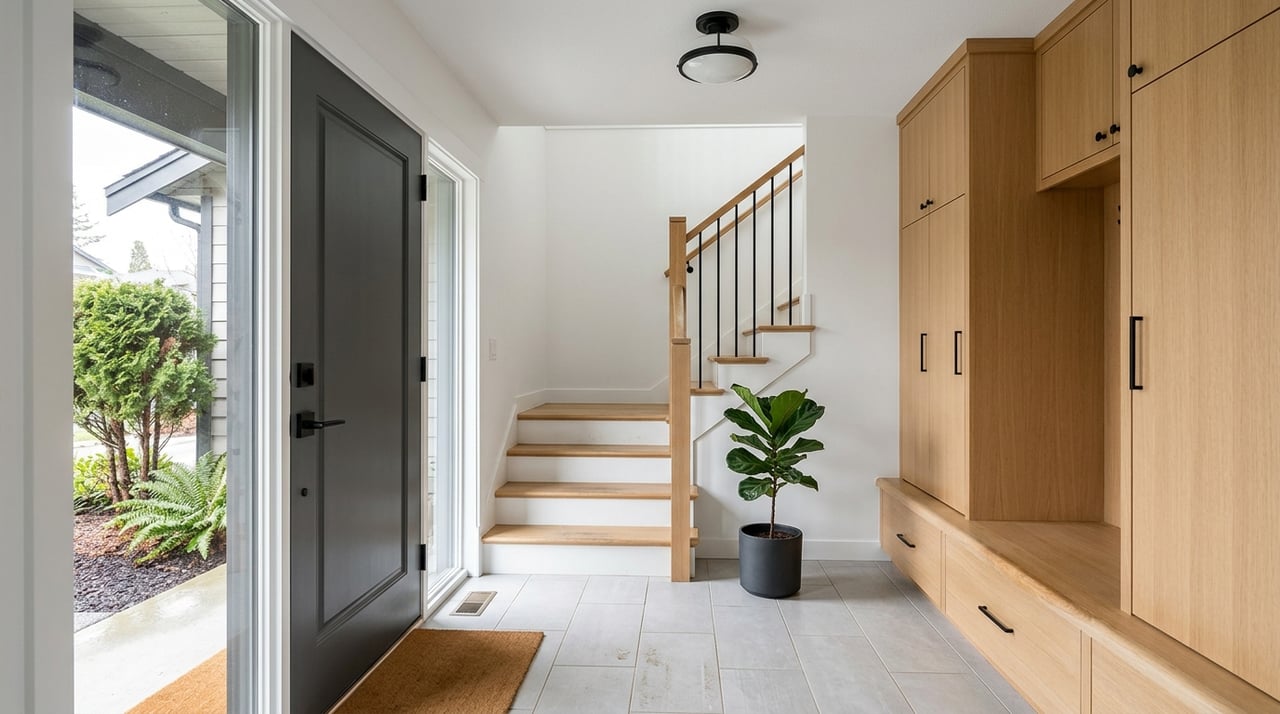
One reason Bothell stands out is that its housing stock is not one-dimensional. The city says low-density residential is still the predominant land use, but the housing mix includes about 52% single-family homes, about 34% apartments and other multifamily buildings with five or more units, and about 9% manufactured homes.
That means you are not limited to one type of purchase. Bothell is not just a detached-home suburb, and it is not just a condo-and-apartment market either.
Roughly 65% of households own their home and 35% rent. For buyers, that points to a city with a meaningful ownership base and a range of housing formats depending on budget, lifestyle, and commute priorities.
Downtown Bothell: walkability and transit access
Downtown Bothell is the city’s most urban and walkable housing pocket. The Downtown Subarea Plan says the area has changed substantially over the last 15 years, with planning focused on housing, streets, sidewalks, businesses, and public spaces that support living, working, shopping, and gathering.
If you want to reduce everyday car use, downtown may deserve a close look. The ability to walk to errands, dining, or public spaces can make weekday life feel easier, even if you still drive or take transit to work.
Bothell is also planning for a broader set of housing types through its middle housing work. The city identifies duplexes, triplexes, fourplexes, cottage housing, townhomes, and ADUs as part of that effort, which matters if you want more choices than a standard detached house.
Canyon Park: freeway-first convenience
Canyon Park offers a different kind of commuter appeal. The city describes it as a Regional Growth Center with more than 10,000 employees, a current population of about 1,400 people in 787 households, and plans for additional population, households, and jobs.
For buyers, the practical advantage is access. Canyon Park sits near I-405 and multiple state routes, which can make it attractive if freeway convenience and park-and-ride access matter more to you than a more walkable setting.
This is where Bothell’s commuter tradeoff becomes most visible. Downtown tends to suit buyers who want more walkability and bus access, while Canyon Park often fits buyers who prioritize road access and regional reach.
Weekday life is part of the equation
A commute is not just about getting to the office. It is also about how easy the rest of your week feels once you get home.
Bothell’s parks system includes 26 parks and more than 3.6 miles of regional trails. The Sammamish River Trail and Burke-Gilman Trail also run through the city, which can help support recreation and short local trips without adding another long drive to your day.
Downtown Bothell also emphasizes walkability, and the city says free parking is available in and around downtown Bothell and Main Street. Small conveniences like that can make a noticeable difference when you are balancing work, errands, and downtime.
Future transit could shift the picture
Buyers who plan to stay in a home for several years should also pay attention to what is coming next. Sound Transit’s Stride S3 Line is under construction and is planned to provide all-day bus rapid transit every 10 to 15 minutes between Shoreline and Bothell.
In Bothell, the project includes stations at 98th Avenue NE, 104th Avenue NE, UW Bothell/Cascadia College, and Beardslee Boulevard. Sound Transit also says the S2 and S3 lines will connect at the future Bothell/Woodinville Transit Center at I-405 and SR 522.
That does not eliminate today’s tradeoffs, but it may make certain locations more compelling over time. If future transit access matters to you, areas near planned stations may deserve added attention during your home search.
How to think about the tradeoff
If you are deciding whether Bothell fits your lifestyle, focus on the pattern of your week instead of just one commute map. Ask yourself where you work most often, how many days you go in, whether your schedule changes, and how much you value home size, parking, yard space, or walkability.
Bothell often works best for buyers who want suburban housing options and access to both Seattle-side and Eastside job centers. It is especially appealing if you are open to a flexible routine that may include driving some days, transit on others, and remote work when possible.
In broad terms, the strongest commuter fit is often near downtown and Beardslee for walkability and bus access, or near Canyon Park and I-405 for freeway convenience and park-and-ride access. The right answer depends on which tradeoff feels easier for you to live with every week.
If you are comparing Bothell with other Seattle-area options, a careful, block-by-block approach can make a big difference. Commute patterns, housing type, and day-to-day convenience do not always line up the same way, and that is exactly where experienced local guidance helps. If you want help weighing Bothell against your work routine and home goals, connect with Stephen Snee.
FAQs
Is Bothell a good place to live if you commute to Seattle?
- Bothell can work well for Seattle commuters, especially if your destination is north Seattle or if you are comfortable using buses like Route 522 or Route 372 instead of relying on a single rail commute.
Is Bothell a good option for Bellevue or Eastside commuters?
- Yes, Bothell offers multiple Eastside connections, including Route 239 and Community Transit routes to Bellevue-area destinations, plus freeway access that can support a range of work locations.
What types of homes can you find in Bothell?
- Bothell has a mix of housing, including single-family homes, apartments, multifamily buildings, manufactured homes, and planning for middle housing options like duplexes, townhomes, and ADUs.
What part of Bothell is best for commuters?
- Buyers often focus on downtown and Beardslee for walkability and bus access, or Canyon Park for I-405 access and park-and-ride convenience.
Does Bothell require a car for daily life?
- In many parts of Bothell, yes, because the city says areas outside downtown often require driving due to the street network and natural constraints, though some households use a mix of driving, transit, walking, and remote work.
Will transit in Bothell improve in the future?
- Sound Transit’s Stride S3 Line is under construction and is planned to add frequent all-day bus rapid transit between Shoreline and Bothell, with several stations in Bothell.