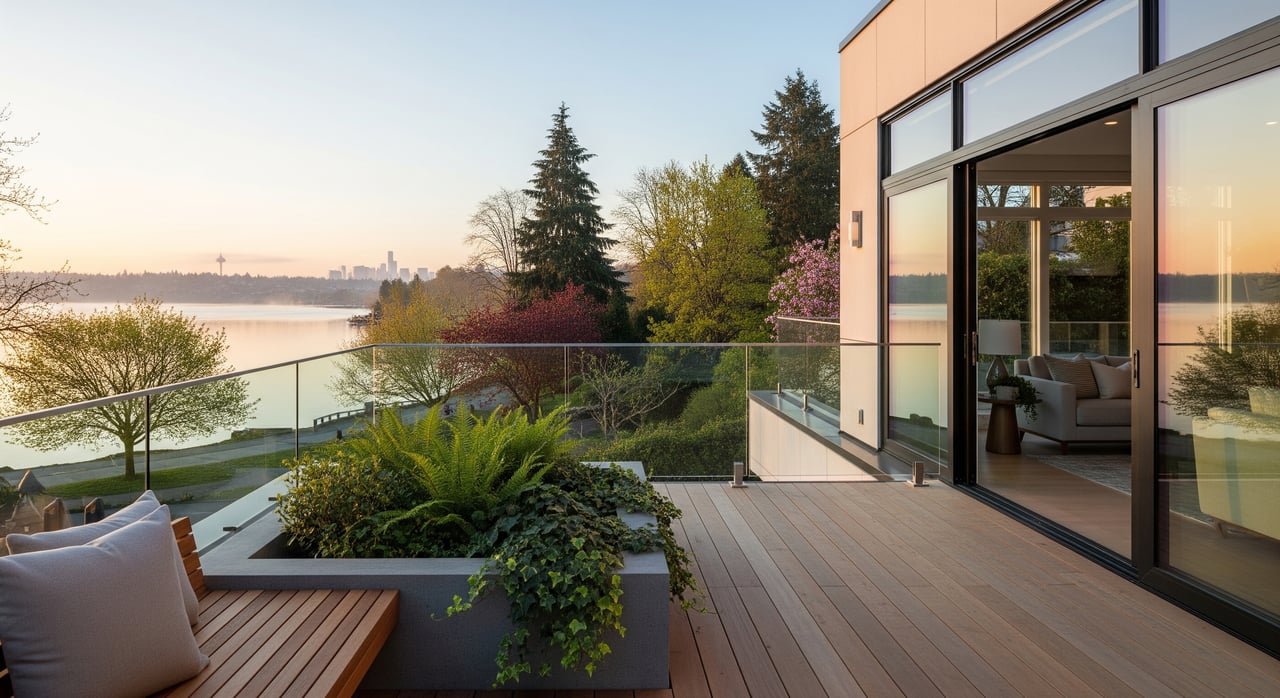
If your ideal morning starts with a lakeside walk and great coffee within a few blocks, Green Lake might feel like home from day one. The area draws people who want an easy, active routine and a neighborhood that supports it. In this guide, you will get a clear picture of everyday life around the lake from a Wallingford perspective, plus practical checks to help you decide if it is the right fit. Let’s dive in.
Where Green Lake fits in Seattle
Green Lake sits just north of downtown Seattle, with Wallingford along the west and southwest edge of the lake and Ravenna to the east and southeast. It is close to Fremont and the University District, which means you have quick access to larger shopping and dining corridors. The lake and its continuous paved loop shape daily life and set the tone for the neighborhood culture. Most homes are a short walk to parks, fields, and small commercial nodes.
Morning around the lake
The Green Lake Loop is about 2.8 miles and is a daily ritual for many residents. You will see runners, walkers, cyclists, and plenty of dogs out early, especially on clear mornings. The park’s easy access makes it simple to get movement in before work or to unwind after. If you like classes and community programming, the nearby community center offers activities that are popular with both kids and older adults.
Daily essentials close by
Most day-to-day errands are walkable if you live within a 10 to 20 minute radius of the lake. You will find independent coffee shops, bakeries, casual breakfast spots, and small grocery and specialty stores along the lake-adjacent streets and in Wallingford and Ravenna nodes. For a bigger shop or higher-end retail, the University District and larger shopping areas nearby are a short drive or bus ride away.
Recreation beyond the loop
Green Lake Park is more than a path. You have access to playgrounds, athletic fields, and small craft access for paddleboards and similar gear. Off-leash dog areas and certain park schedules vary, so check current details with the city before you go. To the west, Woodland Park adds large open spaces and the city zoo, and a network of trails helps you extend your run or ride beyond the loop.
Weekday and weekend rhythms
On weekday mornings, the loop is busy with walkers, runners, and commuter cyclists. Cafés often fill with regulars and remote workers getting a head start on the day. Evenings lean casual with neighborhood dining and small-venue nightlife. On weekends, the park is the main stage. Expect paddleboarding, pickup games, and community events. Peak times can be crowded, especially on sunny days.
Getting around: walk, bike, transit, car
Walkability is a major strength along the lake and the nearby commercial corridors. Many residents handle errands and recreation on foot. Cycling is popular too, and city bike infrastructure has grown, though quality varies by street. Multiple bus routes connect the area to downtown Seattle, the University of Washington, and other job centers. Service levels depend on the corridor and time of day, with some routes running frequently and others focused on peak hours. If you drive, you can reach downtown by arterials with access to I-5 and Aurora. Drive times fluctuate with congestion. Parking near the lake can be tight during events and busy park hours. Some streets have time limits or permit zones, and off-street parking varies by property.
Housing choices near the lake
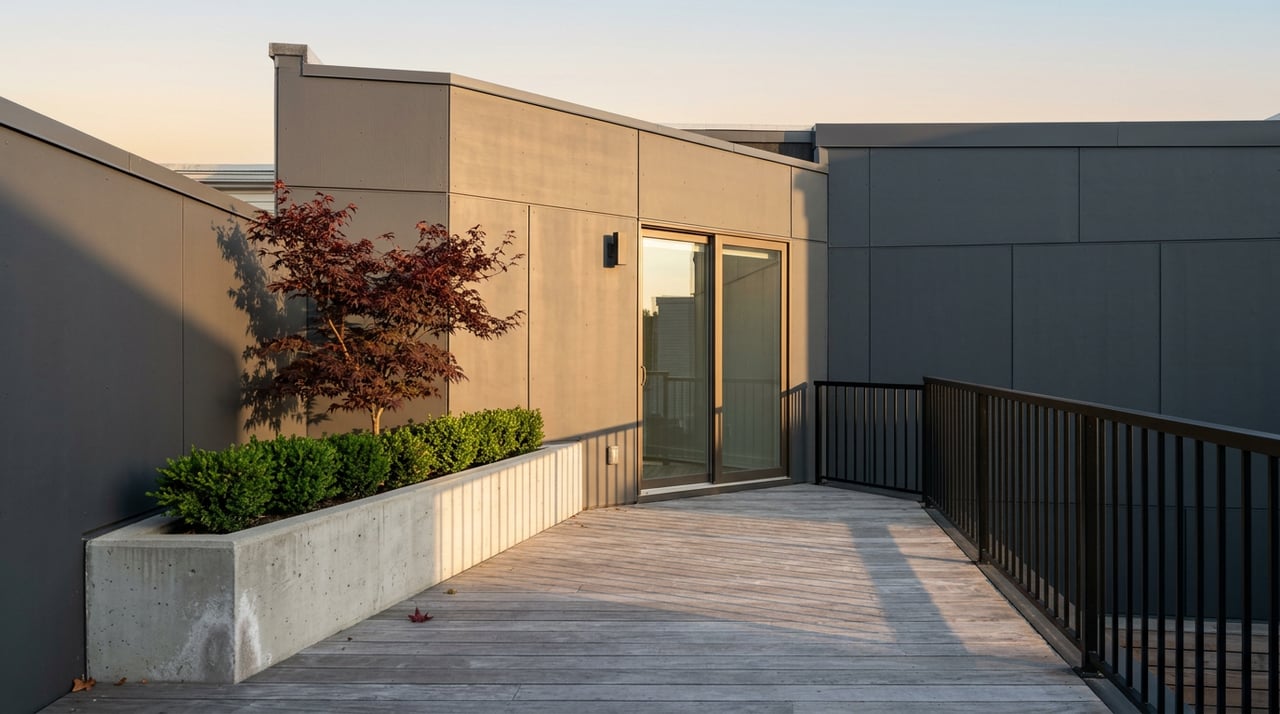
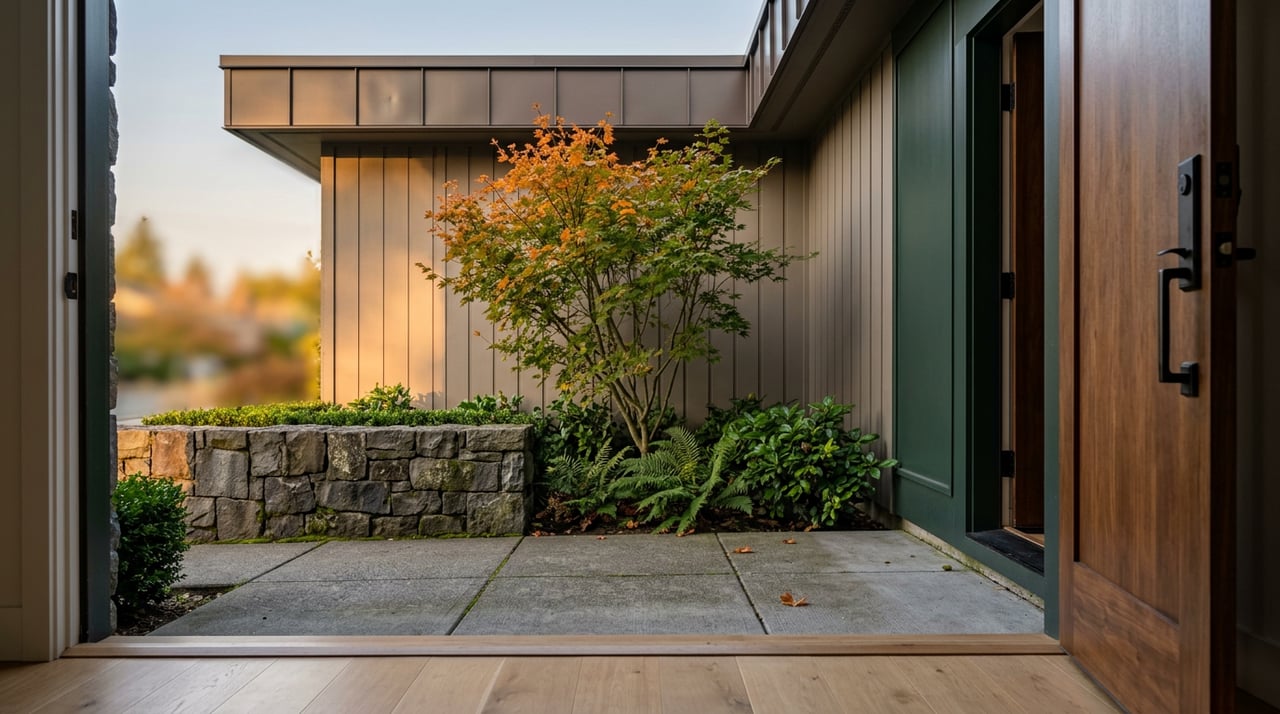
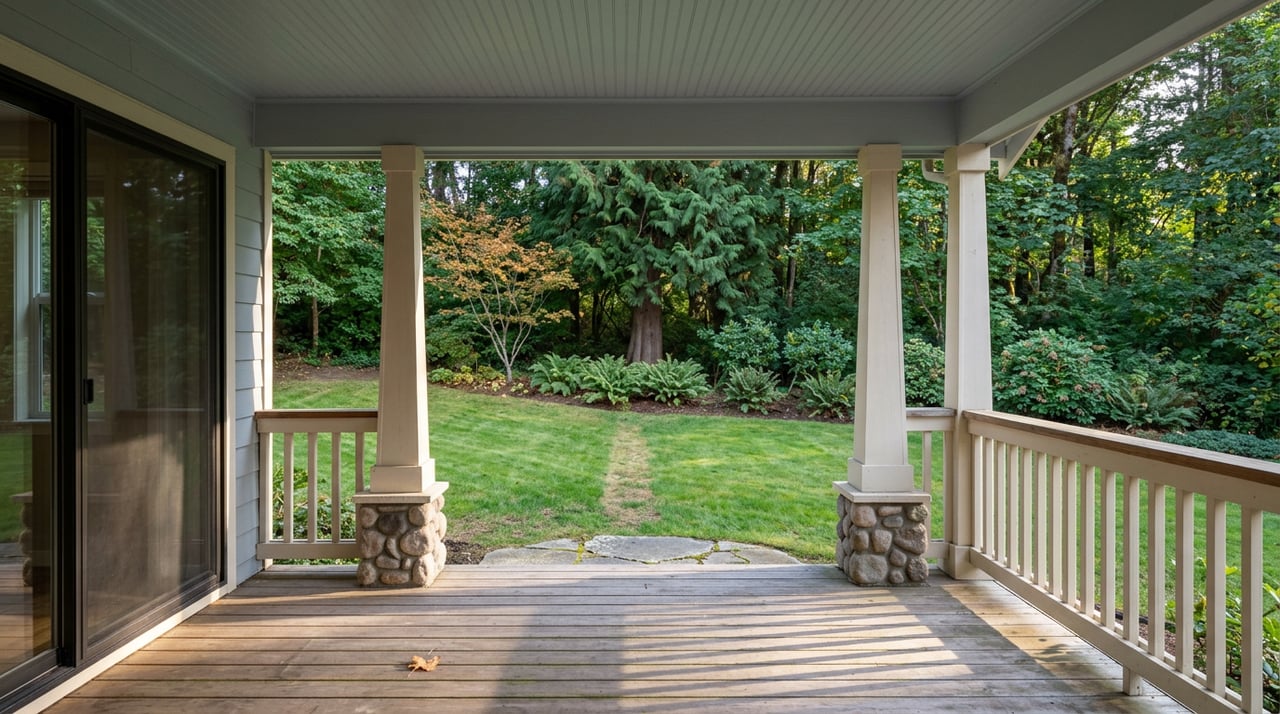
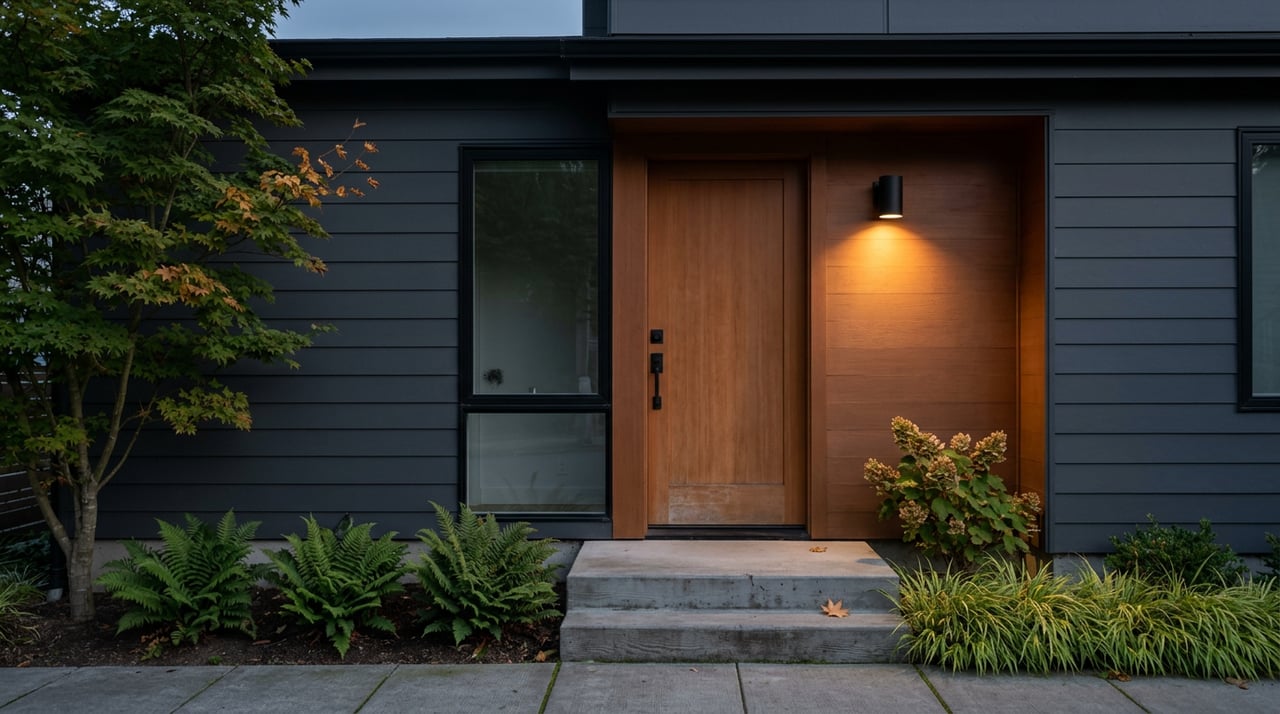
The mix of homes fits a wide range of needs. You will see early 20th-century Craftsman and bungalow houses on small to medium lots. Low-rise apartments and walk-up flats from earlier decades add rental options and more attainable entry points. Condos and newer townhomes offer lower-maintenance ownership, which is appealing if you want to downsize or simply prefer to spend time outside rather than on yard work. In recent years, small-scale multifamily and infill projects have appeared along commercial streets and near transit.
Downsizing considerations
If you are moving from a house to a condo or townhome, plan to review association documents, fees, reserves, and rules to ensure they match your lifestyle. Older single-family homes may require modernization such as system upgrades, energy improvements, or seismic work. Multi-family buildings vary by age and management quality. Ask about building condition and any safety or retrofit work that has been completed.
Commute and remote work
For many buyers, the commute question is central. Travel time to downtown or to the University of Washington depends on your route and time of day. Many residents choose transit or biking for these commutes. If you work from home, the area’s café culture and local coworking options make it easy to change up your routine. Condo layouts with flexible dens or extra bedrooms are common and can serve as dedicated office space.
Everyday conveniences and services
You will find local health services, dentists, and small clinics along neighborhood corridors. Major medical care, including a large hospital, is a short drive or transit ride away. Public library branches and neighborhood civic groups support a strong community feel and often share updates on events, transportation, and parking news. If school access is important to you, confirm current school boundaries directly with the district, since boundaries can change.
What it feels like to live here
Green Lake life is defined by easy access to the outdoors and a steady rhythm. It suits you if you want to step outside and be in a park within minutes, handle most errands close to home, and keep your evenings low-key with neighborhood dining or a walk at sunset. It also gives you quick links to nearby districts when you want more options. On the flip side, you should expect higher foot traffic near the park, crowded paths at peak times, and busier street parking during events or sunny weekends.
Practical checks before you buy
Before you write an offer, make time for a few focused checks:
- Verify current median sale prices and recent sales activity for your target street or building.
- Confirm school boundaries with the district if that is a priority for your household.
- Review transit routes and frequency for your specific commute.
- Walk the block in the evening and on a weekend to gauge parking and park-related activity.
- If buying a condo or townhome, review HOA rules, fees, reserves, special assessments, and pet policies.
- Ask about building condition, seismic or safety upgrades, and any planned city projects nearby.
- Review local crime mapping for the specific block you are considering.
- Check city and county maps for any flood or steep-slope considerations.
Is Wallingford and Green Lake right for you
Choose this area if you want a simple, active routine anchored by one of Seattle’s most beloved parks. You will have a walkable lifestyle, flexible commute choices, and a range of housing options from historic homes to low-maintenance condos and townhomes. With the right due diligence, you can find a place that fits your pace and supports how you live day to day.
Ready to explore homes and make a smart plan for your move? Connect with a local advisor who has navigated this market for decades. Reach out to Stephen Snee to talk through your goals and next steps.
FAQs
How long is the Green Lake loop and how busy does it get
- The paved loop is about 2.8 miles. It stays active most days and is especially crowded on sunny weekends and during peak after-work hours.
What housing types are common around Wallingford and Green Lake
- You will find early 20th-century Craftsman and bungalows, low-rise apartments and walk-up flats, plus condos and newer townhomes that appeal to buyers seeking lower-maintenance living.
Are there walkable grocery and dining options near the lake
- Yes. Independent coffee shops, bakeries, casual eateries, and small grocery and specialty stores cluster along streets near the lake and in Wallingford and Ravenna nodes.
How practical is transit or biking to downtown or the UW
- Multiple bus routes connect the area to downtown and the University of Washington, with frequency that varies by corridor and time of day. Many residents also bike, supported by a growing network of bike lanes.
What should I know about parking near Green Lake
- Parking can be limited near the park during events and peak hours. Some streets have permit zones or time limits, and off-street parking depends on the property, so check the specific block at different times.
What local services and medical care are nearby
- Neighborhood corridors offer health services and clinics. A major hospital is a short drive or transit ride away, and public libraries and community centers add to the area’s everyday convenience.
What due diligence steps should downsizers take for condos or townhomes
- Review HOA documents, fees, reserves, and any special assessments, confirm pet policies, and ask about building condition and seismic or safety upgrades before you commit.