Wondering whether Ballard or Fremont has the right home style for you? These two Seattle neighborhoods can feel close on a map, but the housing stock can look very different once you start touring homes. If you want to understand what you might get for your budget, what maintenance issues to watch for, and which style fits your day-to-day life, this guide will help you compare the options with more confidence. Let’s dive in.
Ballard and Fremont at a glance
Ballard and Fremont both offer a mix of older homes and newer infill, but they do not present that mix in the same way. Ballard tends to feel more historically consistent, with many single-family houses, modest cottages, and builder’s houses in established residential areas. Fremont is more eclectic, with turn-of-the-century buildings, midcentury development, and newer townhouse and midrise projects all layered together.
That difference matters when you start shopping. In Ballard, you may see more traditional house styles and a stronger sense of continuity from block to block. In Fremont, you are more likely to come across a wider variety of forms, from older single-family homes to low-rise multifamily buildings and contemporary infill.
From a pricing standpoint, the March 2026 median sale price was $890,000 in Ballard and $825,000 in Fremont. Ballard was also described as very competitive, which can shape how quickly you need to act and how carefully you need to evaluate your options.
Classic homes in Ballard and Fremont
Craftsman homes
Craftsman homes are a major part of the housing story in both neighborhoods. In Seattle historic records, these homes are generally identified by low-pitched roofs, wide eaves, porch-centered facades, and natural-material detailing. Many are one to one-and-a-half stories, and they often bring the kind of character that buyers notice right away.
If you love warmth and architectural detail, a Craftsman may feel like home the moment you walk in. You may find built-ins, cozy room layouts, and a stronger sense of separation between living spaces than in newer homes. That charm is often a big draw for buyers who want a house with personality instead of a more standardized layout.
The tradeoff is usually upkeep. Older homes can come with smaller rooms, older windows, and more chances that systems have been updated in stages over time. That does not make them a poor choice, but it does mean you should budget for maintenance and inspect carefully.
American Foursquare and cottages
Fremont survey materials specifically identify American Foursquare homes, while Ballard records note many modest cottages and builder houses. These homes can appeal to buyers who want an older neighborhood feel without stepping into a large historic property. They often sit on established lots and can offer a strong sense of place in the neighborhood.
In practical terms, these homes may have more traditional floor plans and less open living space than newer builds. If you work from home, entertain often, or want a more open kitchen-to-living flow, that is something to weigh early in your search. On the other hand, if you value charm, street presence, and classic Seattle housing stock, these homes may be exactly what you want.
Mid-century and simpler-line homes
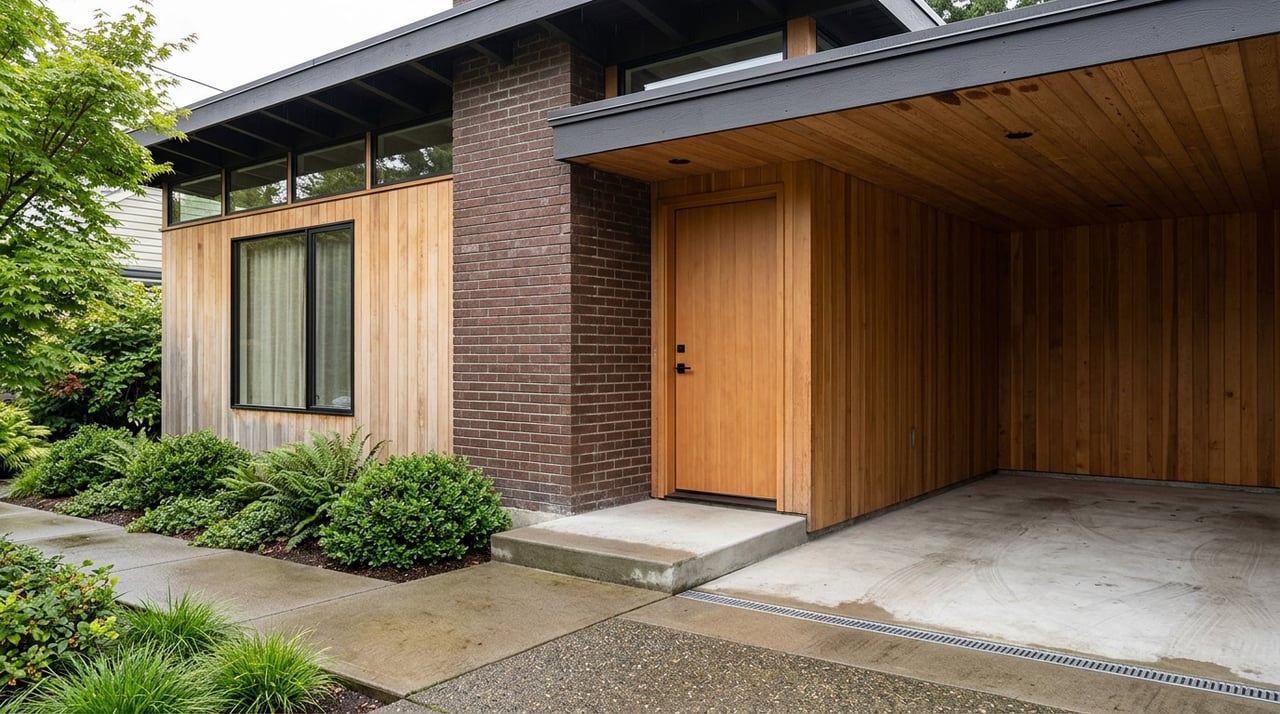
Ballard still includes Minimal Traditional and Ranch-era homes, and Fremont also has midcentury development in the mix. Seattle historic documentation of a mid-century modern home highlights features such as flat roofs, deep eaves, and large picture windows. Compared with older Craftsman homes, these properties often feel cleaner, simpler, and more open.
For many buyers, mid-century homes strike a nice balance. You may get more natural light, a more streamlined look, and less ornamental detail than you would in an early twentieth-century house. If you like light-filled spaces and a less fussy design, this category is worth serious attention.
That said, not every mid-century home has been updated the same way. Some have preserved original features, while others have been remodeled across different decades. As with any older home, it helps to look closely at windows, roofing, insulation, and major systems.
Townhomes, condos, and loft-like spaces
Townhomes in Ballard and Fremont
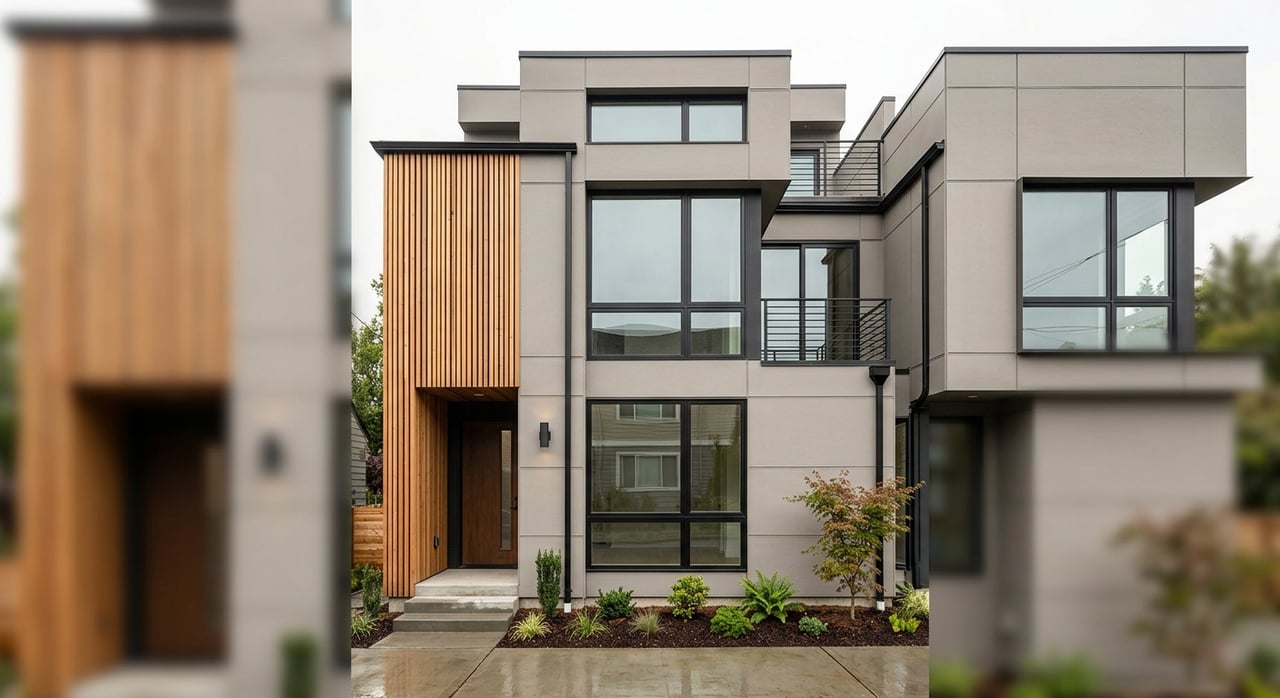
If you want newer construction and less yard work, townhomes are often a strong fit. Fremont design-review materials note that newer development has replaced some older single-family homes with townhouse and midrise multifamily projects. Ballard also has a substantial townhouse presence in the current market.
Townhomes can work well if you want a more modern layout and a lower exterior maintenance burden than a detached house. You may also find newer finishes, more efficient use of square footage, and design choices that feel more current than older housing stock. That can be especially appealing if you want a move-in-ready option in a close-in Seattle neighborhood.
Current active inventory examples put Ballard townhomes at roughly $540,000 to $1.17 million, while Fremont townhomes range from about $600,000 to $1.60 million. Those price bands can overlap with both condos and some smaller houses, so it is important to compare not just price but also monthly costs, layout, and long-term fit.
Condos and loft-like units
Condos and loft-like homes tend to appeal to buyers who prioritize walkability and low exterior-maintenance living. Current listing examples show that loft-style units often highlight vaulted or soaring ceilings, open layouts, and large windows. If you want a lighter, more flexible living space, these features can be a big plus.
In Ballard, current condo inventory examples range from about $315,000 to $715,000. In Fremont, current examples range from about $325,000 to $739,000. That can make condos one of the more approachable entry points for buyers who want to own in these neighborhoods without taking on the cost and maintenance of a detached house.
Monthly affordability matters here. In condos and many townhomes, HOA dues are usually paid directly to the association and can range from a few hundred dollars to more than $1,000 per month. You will want to factor in dues and the possibility of special assessments when comparing properties.
What buyers should watch in older homes
If you are buying an older house in Ballard or Fremont, condition matters just as much as style. Character can be a real asset, but older homes often come with more maintenance items and a greater chance of system updates. That means your due diligence should go beyond finishes and staging.
One important point involves homes built before 1978. EPA guidance says lead-based paint is more likely in these homes, and renovation work that disturbs paint should use lead-safe practices. If you are planning updates after closing, this should be part of your early planning and budgeting.
It also helps to think about how much hands-on ownership you want. Some buyers are happy to take on periodic projects in exchange for charm and individuality. Others would rather trade some historic detail for a newer, lower-maintenance home with fewer immediate unknowns.
Ballard landmark rules buyers should know
Ballard includes a designated landmark district along Ballard Avenue, and that can affect what changes are allowed. If a property is inside the Ballard Avenue Landmark District or is individually landmarked, exterior changes visible from the street need review and a Certificate of Approval. According to the district FAQ, that includes exterior painting, remodels, additions, and demolition.
This does not mean you should avoid buying in or near a landmarked area. It simply means you need to understand the approval process before assuming you can make exterior changes on your timeline. For buyers who value historic character, that review structure may actually be part of the appeal because it helps preserve the district’s small-town main-street character.
How to choose the right style for you
The best home style is the one that matches how you live, what you want to maintain, and what fits your budget. In Ballard and Fremont, there is no single right answer because each style offers a different mix of character, convenience, and cost. The key is being honest about your priorities before you fall in love with a listing.
A simple way to frame the decision is this:
- Craftsman or older cottage: best if you want character and can live with more maintenance
- American Foursquare or similar older home: best if you like traditional layouts and classic neighborhood housing stock
- Mid-century home: best if you prefer simpler lines, more light, and a cleaner design feel
- Townhome: best if you want newer construction and less yard work
- Condo or loft: best if you prioritize walkability and lower exterior maintenance, while accepting HOA tradeoffs
It also helps to compare current price ranges by property type, not just by neighborhood. Based on current active inventory examples, Ballard single-family homes range roughly from the low $800,000s to about $2.8 million, while Fremont houses range from about $600,000 to $1.65 million. Those spreads can shift what is realistic depending on whether your priority is space, style, condition, or location within the neighborhood.
Why local guidance matters
In neighborhoods like Ballard and Fremont, two homes at a similar price can offer very different value depending on style, age, layout, and expected upkeep. A charming older house may need more post-closing planning than a newer townhome. A condo with a lower list price may carry monthly dues that change the affordability picture.
That is where neighborhood knowledge makes a difference. When you understand the local housing mix, landmark considerations, and the tradeoffs between house, townhome, and condo living, you can make a smarter decision and move faster when the right property shows up.
If you want help comparing Ballard and Fremont homes with a clear eye on style, condition, and long-term fit, reach out to Stephen Snee for thoughtful, neighborhood-focused guidance.
FAQs
What home styles are common in Ballard, Seattle?
- Ballard is known for single-family houses, modest cottages, builder’s houses, and style mixes that include Queen Anne, Craftsman, American Foursquare, Colonial Revival, Tudor Revival, Minimal Traditional, and Ranch homes.
What home styles are common in Fremont, Seattle?
- Fremont has a more eclectic housing mix that includes older single-family homes, turn-of-the-century stick and masonry structures, midcentury development, low-rise multifamily buildings, newer townhouses, and newer midrise projects.
What should buyers know about older Craftsman homes in Ballard and Fremont?
- Older Craftsman homes often offer strong character and architectural detail, but they may also come with smaller rooms, older windows, and a greater chance that systems will need updates or ongoing maintenance.
What should buyers budget for in Ballard and Fremont condos or townhomes?
- In condos and many townhomes, HOA dues are typically paid to the association and can range from a few hundred dollars to more than $1,000 per month, so you should include dues and possible special assessments in your monthly budget.
What should buyers know about pre-1978 homes in Ballard and Fremont?
- For homes built before 1978, lead-based paint is more likely, and any renovation work that disturbs paint should use lead-safe practices.
What should buyers know about Ballard landmark district rules?
- If a property is in the Ballard Avenue Landmark District or is individually landmarked, exterior changes visible from the street require review and a Certificate of Approval, including items such as exterior painting, remodels, additions, and demolition.