Trying to choose between a condo and a house near Lake Washington? It sounds simple until you realize that two homes with similar price tags can come with very different ownership costs, rules, and day-to-day responsibilities. If you want a place near the water in King County, it helps to look past the view and understand how ownership really works. This guide will walk you through the key tradeoffs so you can decide with more confidence. Let’s dive in.
Why Lake Washington Ownership Feels Different
Living near Lake Washington is not just about location. It is also about how the property connects to the shoreline, what kind of access you actually have, and which local rules apply.
Lake Washington is the largest of King County’s three major lakes and the second largest natural lake in Washington. Around the lake, ownership can be shaped by shoreline regulation under Washington’s Shoreline Management Act, with local shoreline master programs administered by the city or county with jurisdiction. In the Lake Washington corridor, King County identifies shoreline programs for places including Bellevue, Kenmore, Kirkland, Lake Forest Park, Mercer Island, and Renton.
That matters because living near the lake is not the same as having usable lake access. King County defines shoreline public access as the ability to reach, touch, and enjoy the water’s edge, travel on the waters of the state, and view the shoreline from nearby locations.
In real life, that can mean parks, trails, swimming beaches, public docks or piers, and boat launches are the access points that shape your experience more than your mailing address. Two homes that both say “near Lake Washington” can offer very different lifestyles.
Condo Ownership Near Lake Washington
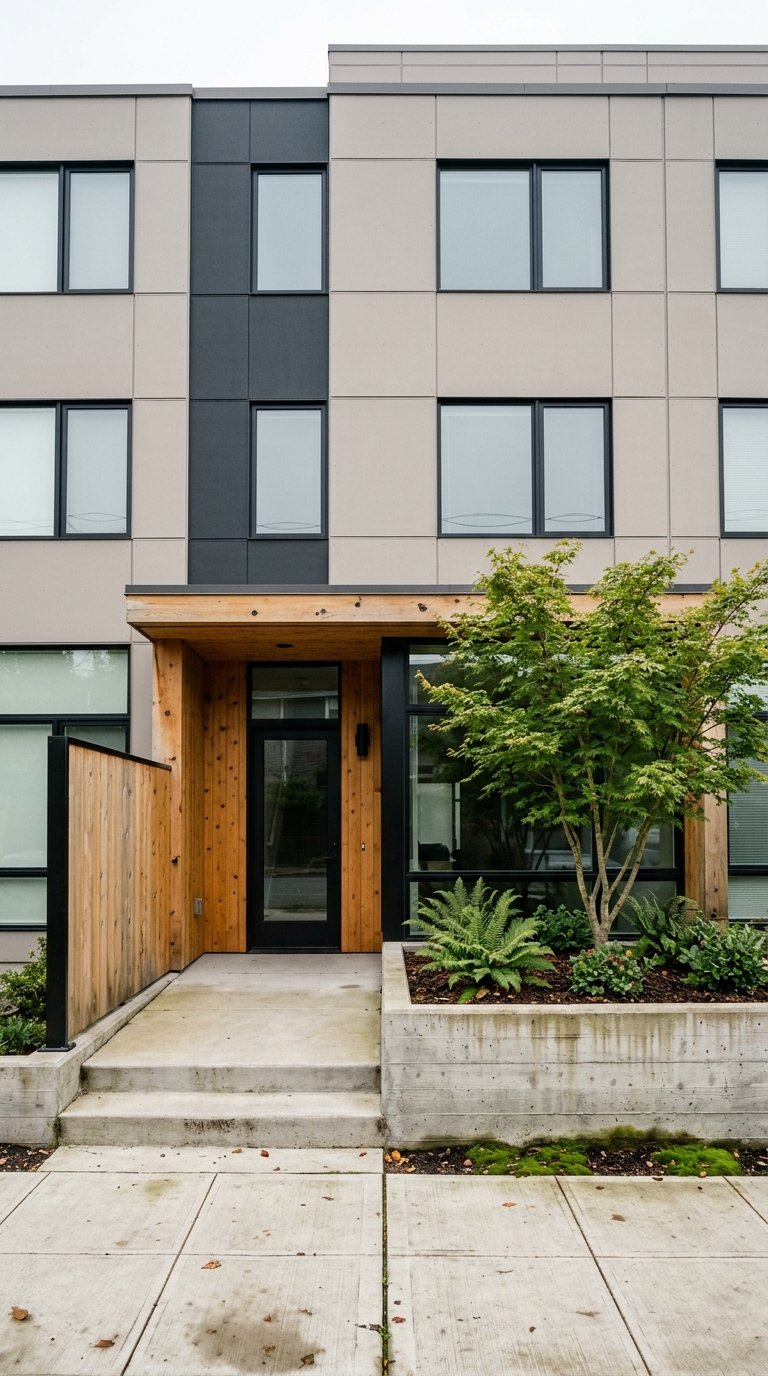
A condo can be a strong fit if you want a more streamlined ownership experience. In Washington, condo ownership is a shared-property model, which means the association handles common expenses through assessments and governs common elements and many exterior decisions.
That often translates into less direct responsibility for the building envelope. It also means you depend more on association governance, budgeting, and long-term planning.
What Condo Dues Really Cover
Monthly dues are more than a line item on your budget. Under Washington condo law, associations are responsible for common expenses, and association property insurance is required for common elements.
So when you review dues, you are also getting a picture of what the building is funding and how much risk may still sit with individual owners. Lower dues are not automatically better if they reflect limited reserves or underfunded maintenance.
Why Reserves Matter So Much
For condo buyers, one of the biggest issues is financial health. Washington resale certificates must disclose the monthly common expense assessment, unpaid assessments, special assessments already levied, anticipated repair or replacement costs above five percent of the annual budget, reserve amounts, and the current operating budget.
That gives you a much clearer view of whether the association is planning ahead or reacting late. It can also help you spot warning signs before you make an offer.
Reserve studies are designed to account for major building items such as roofing, painting, paving, decks, siding, plumbing, and windows. The law also notes that if reserve items are missed, owners can face special assessments later.
One important wrinkle is that some associations may be exempt from reserve-study requirements. So instead of assuming a reserve study exists, you should verify the current reserve status and review what has actually been funded.
Condo Rules and Design Limits
Condos can offer simplicity, but they also come with restrictions. Washington law says unit owners may not change the appearance of common elements or the exterior appearance of a unit without permission from the association.
If your goal is lock-and-leave convenience, that may feel perfectly reasonable. If you want freedom to change exterior finishes, reshape outdoor areas, or make design choices without approvals, that structure may feel limiting.
House Ownership Near Lake Washington
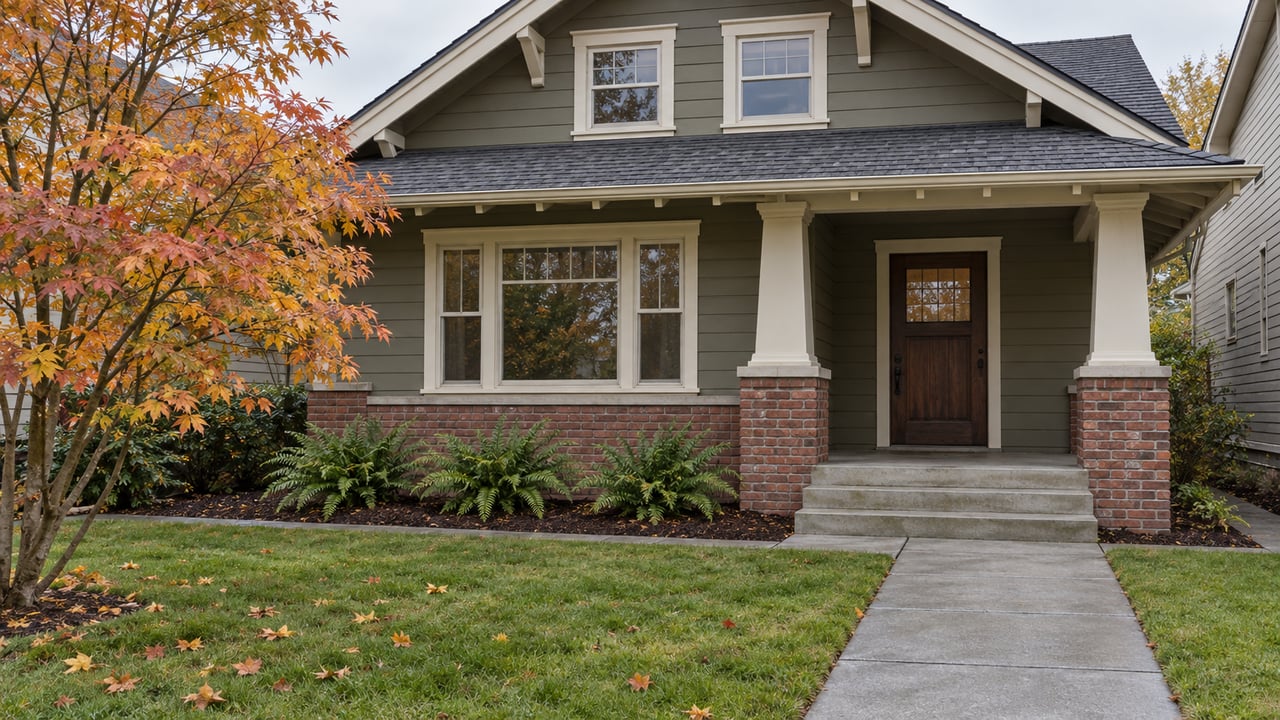
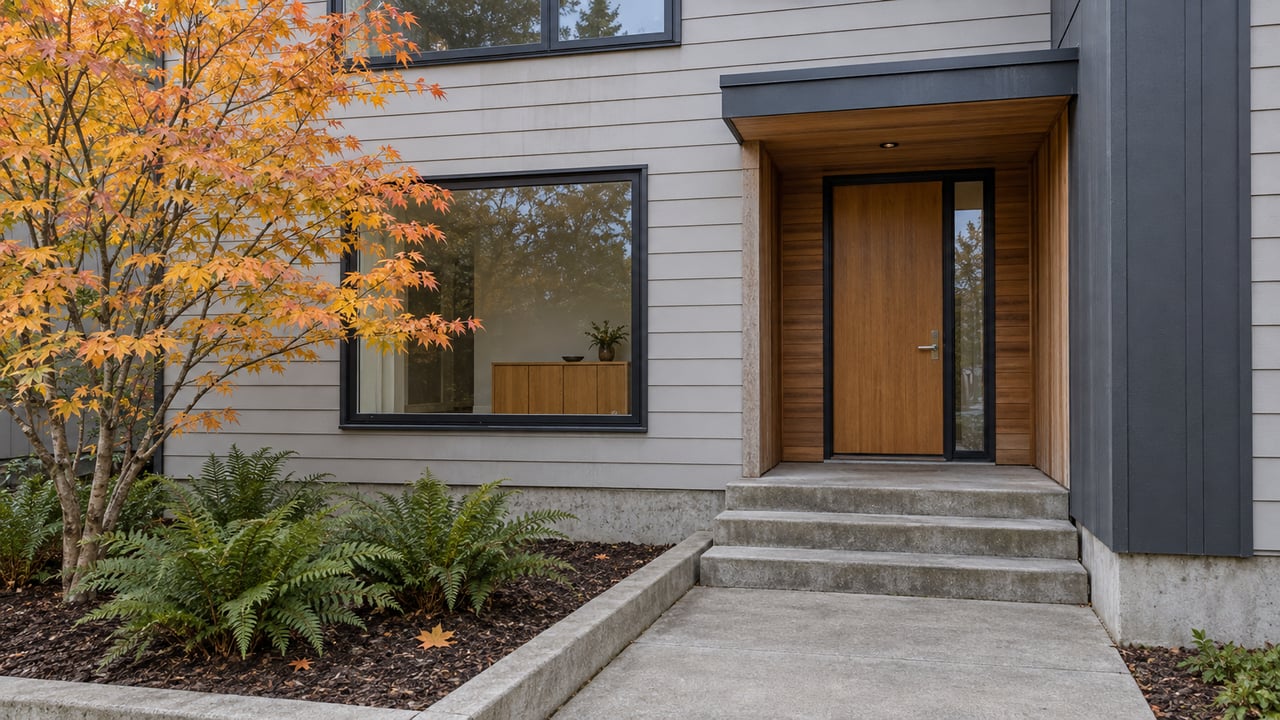
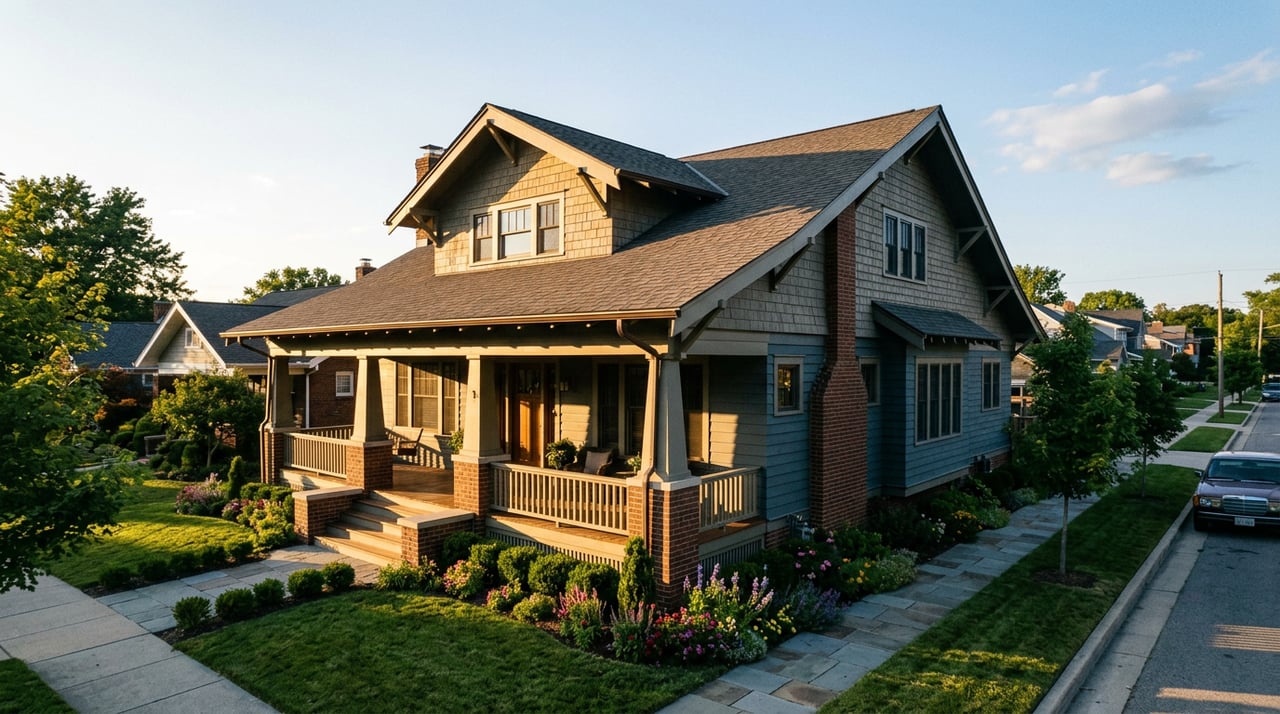
A single-family house usually offers more control. You generally have more freedom over the exterior, the lot, landscaping, and long-term improvement plans than you would in a condo setting.
That added control is a big reason many buyers prefer houses near Lake Washington. You may get more privacy, more outdoor space, and more flexibility to shape the property around how you want to live.
More Freedom, More Responsibility
The tradeoff is straightforward. With a house, those decisions are not centrally managed by an association in the same way they are with a condo.
That can be a plus if you want independence. It can also mean more direct responsibility for maintenance, planning, and the cost of major exterior or site-related work.
Shoreline Work Is Often More Regulated
Near Lake Washington, house ownership comes with an extra layer many buyers underestimate. The Washington Department of Ecology treats activities such as construction, exterior alterations, dredging, filling, bulkheading, piling, and similar work as shoreline development.
Local governments are the primary administrators of shoreline programs, and many projects in shoreline jurisdiction may require review. Depending on the project and location, permits, conditional uses, or variances may come into play.
For example, residential docks in fresh water can trigger substantial-development review if the fair market value reaches the current $28,000 threshold. So if part of your dream is adding or upgrading shoreline features, it is smart to check the rules early.
Water Access Is Not Always What It Seems
One of the biggest misconceptions in the Lake Washington market is assuming that “close to the water” means the same thing as “easy access to the water.” It does not.
King County makes a clear distinction between shoreline access and simple proximity. A property may be near the lake but rely on public access points for actual shoreline use.
That is why two similar listings can feel very different once you live there. One may offer convenient public access nearby, while another may have a water view but limited practical access for everyday use.
Condo vs. House Near Lake Washington
When you compare a condo and a house in King County near Lake Washington, the decision often comes down to shared ownership simplicity versus full-property control.
| Factor | Condo | House |
|---|---|---|
| Maintenance | More shared through the association | More direct owner responsibility |
| Exterior changes | Usually require association approval | More owner control, subject to local rules |
| Financial review | Focus on dues, reserves, and assessments | Focus on property condition and future upkeep |
| Privacy and yard space | Often more limited | Often greater |
| Lock-and-leave ease | Usually stronger | Usually less streamlined |
| Shoreline improvement potential | May be limited by building structure and association rules | More possible, but often more regulated |
How To Decide Which Fits You Best
If you value lower hands-on maintenance, a simpler lock-and-leave lifestyle, and the structure of shared ownership, a condo may make more sense. That can be especially appealing if you want to enjoy the Lake Washington area without taking on every exterior maintenance task yourself.
If you want more privacy, yard space, and flexibility for future changes, a house may be the better fit. That is often true for buyers who care deeply about outdoor living, long-term customization, or having more control over the property.
Around Lake Washington, the better choice is not just about property type. It is about how much responsibility, flexibility, and regulation you are comfortable managing.
Smart Questions To Ask Before You Buy
Before you make an offer on a condo or house near Lake Washington, it helps to slow down and verify the details that will shape ownership after closing.
Here are some of the most important questions to ask:
- Is water access deeded, shared, public, or simply nearby?
- Who maintains the shoreline, dock, or access area?
- Which local shoreline master program applies to this property?
- Are there use restrictions that could affect how you want to enjoy the property?
- For a condo, what do the budget, resale certificate, and reserve information show?
- Are any special assessments already levied or being discussed?
- Could exterior approval rules affect future updates?
- For a house, would planned shoreline or exterior improvements require permits or local review?
These are the details that often determine whether a home feels easy to own or unexpectedly expensive to maintain.
The Bottom Line For King County Buyers
Near Lake Washington, the condo-versus-house question is really a lifestyle and ownership question. A condo can simplify maintenance and give you a more predictable structure, while a house can offer more space and control but also more direct responsibility.
The right answer depends on how you want to live, what kind of upkeep you want to manage, and how important future changes are to you. In a market as nuanced as King County, those details deserve a careful review before you commit.
If you want help weighing a specific condo or house near Lake Washington, Stephen Snee can help you review the practical tradeoffs and navigate the process with clear, local guidance.
FAQs
What is the main difference between buying a condo or a house near Lake Washington?
- A condo usually means shared ownership responsibilities through an association, while a house usually gives you more direct control over the property along with more direct maintenance responsibility.
What should condo buyers in King County review before buying near Lake Washington?
- You should review the resale certificate, monthly assessments, reserve amounts, any unpaid assessments, special assessments already levied, anticipated major repair costs, and the current operating budget.
Do Lake Washington houses have more freedom for exterior changes?
- Houses generally offer more freedom than condos for exterior and site changes, but shoreline-related work may still require local review, permits, or approvals depending on the location and project.
Does living near Lake Washington mean you have water access?
- No. A property can be near the lake without offering direct or deeded access, so you should confirm whether access is private, shared, public, or simply nearby.
Why do shoreline rules matter for Lake Washington buyers?
- Shoreline rules can affect future plans for construction, docks, exterior alterations, and other improvements, and local governments administer the applicable shoreline programs.
Are condo reserve studies always required in Washington?
- Not always. Some associations may be exempt, which is why you should verify the actual reserve-study status rather than assume one exists.